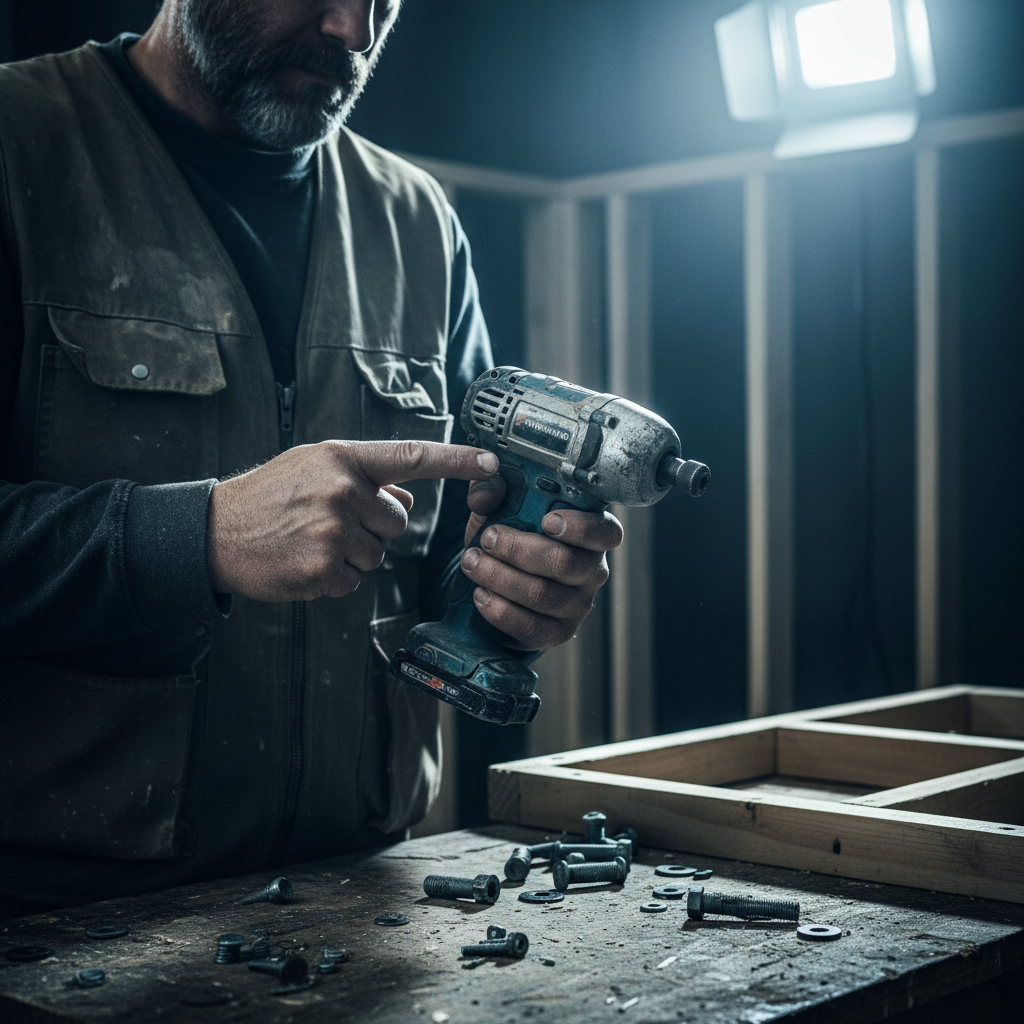
The shift toward high-performance cordless industrial tools 2026 contractors farmers will rely on focuses on battery platforms that rival pneumatic power for sustained heavy-duty applications. Professionals should prioritize standardizing their equipment around leading brands like Milwaukee and DeWalt to leverage smart connectivity and mobile efficiency without the limitations of cables or air hoses.
For decades, contractors and farmers have been tethered to noisy compressors and restrictive cables because early cordless alternatives lacked the stamina for true industrial duty. You have likely experienced the frustration of a battery failing in a remote field or a tool stalling against high-density materials; these bottlenecks directly impact your bottom line. As we move through 2026, the landscape has shifted entirely. Modern solid-state power now provides the sustained torque required for the most demanding applications, effectively making the traditional air hose a relic of the past. At Harrison Hunter Industrial Supply, we understand that high-performance equipment is the backbone of your operation. This article examines the latest breakthroughs in battery chemistry, the rise of AI-integrated platforms, and the strategic shift toward direct sourcing that ensures you have the most reliable tools on the market today.
The State of Cordless Industrial Tools in 2026
The industrial tool landscape has undergone a fundamental transformation. By 2026, we have reached a definitive tipping point where the cordless industrial tools 2026 contractors farmers rely on are no longer seen as secondary backups to corded or pneumatic systems. In heavy duty settings, from high-rise construction sites in Phoenix to remote agricultural acreage, battery powered equipment is now the primary driver of productivity.
Contractors are moving away from the logistical nightmare of dragging high voltage cables across unfinished floors or setting up massive air compressors for structural fastening. Similarly, farmers are utilizing the freedom of high capacity battery platforms to perform critical field repairs on combines and tractors without hauling a generator to a remote corner of the property. The speed of deployment in these scenarios has made corded alternatives virtually obsolete for mobile teams.
This shift requires a clear distinction between consumer grade hobbyist tools and true industrial grade platforms. Industrial systems are engineered for sustained high torque output and continuous duty cycles, providing the reliability required for professional environments. At Harrison Hunter, we focus on providing premium industrial tools that meet these rigorous standards. As efficiency becomes the priority, the move toward a fully cordless job site is no longer a future goal; it is the current reality for those looking to stay competitive. You can learn more about our direct supply model to see how we help professionals secure this equipment without unnecessary markups.
Battery Technology Breakthroughs: Beyond Standard Lithium Ion
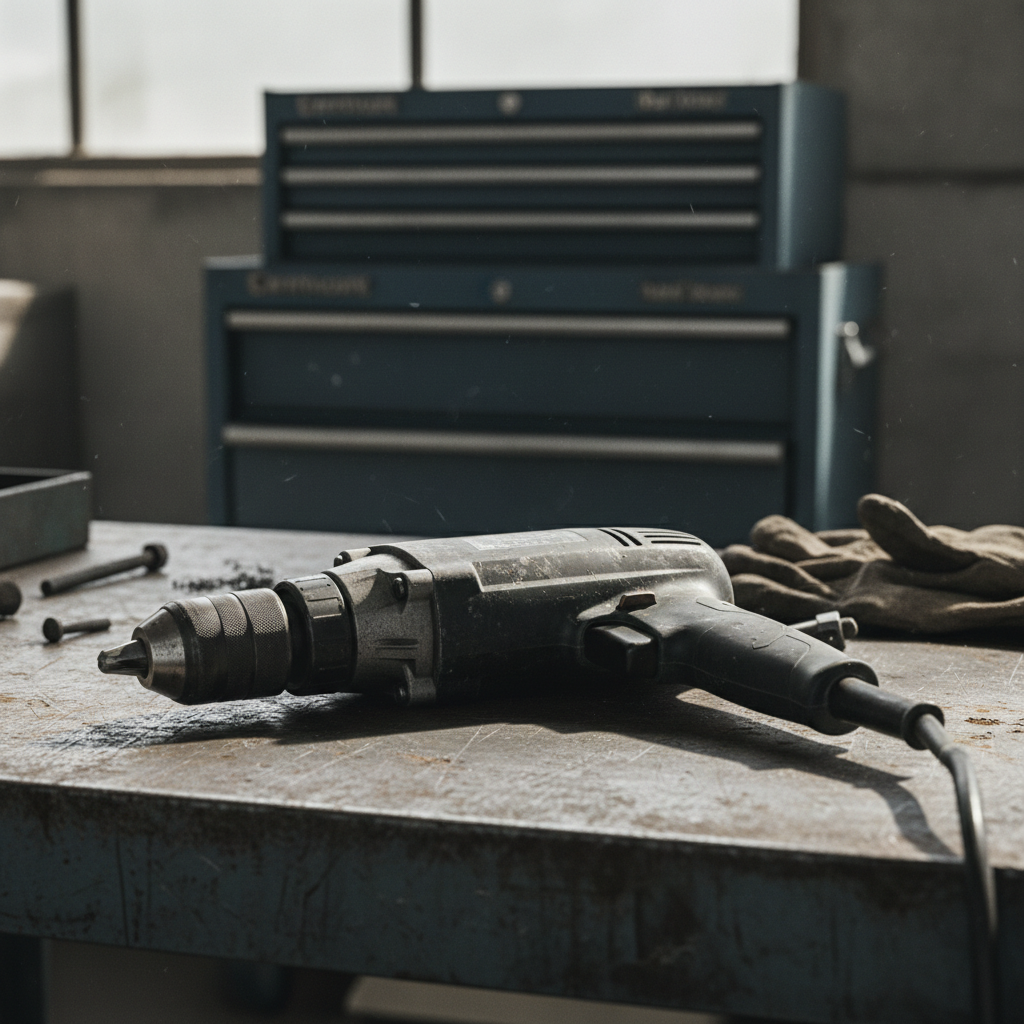
The driving force behind this revolution is a fundamental shift in how energy is stored and discharged. When professionals ask about the new battery technology in 2026, the answer lies in the transition from traditional 18650 or 21700 cells to the 4680 cell format. These larger, tabless cells significantly reduce internal resistance. This architectural change means less heat is generated during high-draw applications, allowing a 1 inch impact wrench to maintain peak torque without the battery pack hitting a thermal limit and cutting out mid-task.
Technology | Primary Benefit | Industrial Application |
|---|---|---|
Standard Li-ion (21700) | Proven Reliability | General purpose drilling and fastening |
4680 Cell Tech | High Power Density | Heavy demolition, 1 inch high-torque impacts |
Solid State (Emerging) | Thermal Stability | Extreme heat environments; high-safety zones |
For contractors operating in Scottsdale and Tempe, thermal management is the most critical advancement in this cycle. Traditional lithium ion packs often throttle power or trigger safety shutdowns when ambient temperatures hit triple digits on an Arizona job site. The 2026 generation of premium industrial tools utilizes advanced potting materials and honeycomb cell spacing to dissipate heat thirty percent faster than previous models. This prevents the chemical degradation that typically destroys battery lifespan when tools are left in the back of a truck or used under the midday sun.
Maximizing equipment also requires understanding the distinction between energy density and power density. Energy density determines total runtime, which is the size of the metaphorical fuel tank for a farmer spending ten hours in a remote field. Power density determines the tool's ability to deliver sudden, massive bursts of torque or speed. Modern cordless industrial tools 2026 contractors farmers utilize are engineered to balance both, ensuring that a tool does not just last all day but actually has the mechanical force to finish the toughest structural jobs. If you have questions about which platform suits your specific regional climate, contact our Scottsdale team for expert guidance.
Cordless vs Pneumatic: Is the Air Hose Finally Obsolete?
The debate over whether pneumatic tools are better than battery systems has shifted from a question of raw power to a question of application. For decades, the 1 inch high torque impact wrench was the final stronghold for compressed air. In 2026, however, the gap in peak performance has narrowed to the point of irrelevance for most field operations. While a pneumatic tool still maintains an edge in 24/7 assembly line environments because it can run continuously without swap-outs, the cordless industrial tools 2026 contractors farmers demand now deliver the 2,000+ ft-lbs of breakaway torque required for the most stubborn structural fasteners.
Metric | Pneumatic (Traditional) | Cordless (2026 Industrial) |
|---|---|---|
Peak Torque | Extremely High | Comparable (Up to 2,500 ft-lbs) |
Continuous Duty | Unlimited (With air supply) | Limited by battery cycle |
Mobility | Restricted by hose | Total freedom |
Infrastructure | Compressor, Dryer, Lines | Battery & Charger |
Maintenance | Oiling, Moisture control | Minimal (Brushless/Potting) |
The financial argument for moving away from air is substantial. Eliminating the need for a tow-behind compressor or a dedicated shop air system removes a significant capital expenditure and a recurring maintenance headache. For a contractor, this means less equipment to transport and lower fuel costs. For a farmer, it means removing the risk of moisture freezing in air lines during a winter field repair. By sourcing premium industrial tools directly, professionals are redirecting the money once spent on air line filters and oilers toward high-output battery platforms that offer immediate ROI through speed and portability. This transition is not just about convenience; it is a calculated move to reduce overhead while maintaining the mechanical force necessary for heavy infrastructure work. You can find more details about our direct supply model and how we help companies modernize their tool cribs without the traditional markup.
Essential Cordless Platforms for the Modern American Farmer

For the American farmer, the transition to high output battery systems is less about convenience and more about survival during a tight harvest window. When a combine header shears a bolt three miles from the machine shed, the traditional solution involved a service truck equipped with a loud, fuel hungry compressor. Today, the cordless industrial tools 2026 contractors farmers rely on provide the same mechanical force in a hand held format.
Field maintenance requires a specific set of high performance tools that can withstand dust, moisture, and vibration. A cordless grease gun is no longer a luxury; it is an essential piece of equipment for clearing dozens of zerks on a tillage rig in minutes. Similarly, high torque impacts, now capable of breaking loose rusted lug nuts on heavy tractor tires, eliminate the need for long breaker bars or heavy pneumatic lines in the dirt.
Agricultural Tool | Key Field Benefit | Battery Requirement |
|---|---|---|
Cordless Grease Gun | Rapid lubrication of heavy pivots | Standard 5.0Ah+ |
1 Inch High Torque Impact | Changing large scale tractor tires | High Output (8.0Ah - 12.0Ah) |
Portable LED Tower Light | Emergency repairs during night harvest | High Capacity for duration |
Staying within a single battery ecosystem allows a producer to swap power from a chainsaw to a floodlight or an impact wrench without cluttering the truck bed with multiple chargers. This streamlined approach is central to how we source premium industrial tools. By focusing on professional grade reliability, we ensure that field repairs are completed correctly the first time. Understanding the nuances of these platforms helps farmers maintain their own equipment without the overhead of dealership service calls. You can learn more about our direct supply model to see how we provide these high demand systems directly to the farm gate.
Top Tool Brands Dominating the 2026 Contractor Market
The hierarchy of the tool world in 2026 is defined by specialized ecosystems rather than general utility. For the cordless industrial tools 2026 contractors farmers need, brand selection now dictates the efficiency of an entire workflow. Milwaukee remains the leader in heavy infrastructure; their primary advantage is the expansion of the MX Fuel line into light equipment, allowing crews to run high-capacity saws and breakers on a single battery platform. DeWalt has refined the 60V Flexvolt system to deliver power that consistently outperforms corded counterparts in high-torque drilling and structural framing.
Brand | 2026 Industrial Specialization | Core Technology Advantage |
|---|---|---|
Milwaukee | Infrastructure & Heavy Mechanical | MX Fuel high-output equipment |
DeWalt | General Structural Contracting | Flexvolt high-voltage discharge |
Makita | Precision Finish & Ergonomics | LXT/XGT dual-platform versatility |
Bosch | Safety Engineering & Connectivity | Kickback control & sensor integration |
Hilti | Heavy Demolition & Fleet Assets | Nuron platform data-driven management |
Makita continues to dominate in precision and ergonomics, making them the preferred choice for finish work and mechanical assembly where tool balance reduces operator fatigue. Bosch has focused on safety and environmental sensors, integrating advanced electronics that prevent tool bind-up during high-torque drilling. Hilti remains the standard for heavy demolition, utilizing the Nuron platform to provide real-time data on battery health and tool location for large scale fleet management.
While these manufacturers still prioritize ecosystem lock-in, 2026 has seen a significant rise in high-quality third-party adapters and the conversation around universal battery platforms. This shift allows contractors to pair a specialized Bosch hammer drill with a high-output Milwaukee battery, though native performance remains the most reliable option. At Harrison Hunter, we help you navigate these complex choices by providing premium industrial tools that survive the rigors of the field. You can learn more about our direct supply model to see how we bypass retail markups on these top-tier platforms. For specific advice on building a fleet that works for your specific region, contact our Scottsdale team today.
The Role of AI and Smart Connectivity in 2026 Tools
AI integration in 2026 has transitioned from a marketing curiosity into a core operational necessity. Modern premium industrial tools now feature embedded sensors and telemetry that remove the guesswork from high stakes projects. This evolution centers on three functional pillars: asset security, operational precision, and reliability.
Feature | Practical Industrial Application |
|---|---|
Integrated GPS Tracking | Real time inventory management across sprawling jobsites; theft recovery in remote fields |
App Driven Customization | Precision torque and speed settings for specific structural fasteners or sensitive irrigation equipment |
Predictive Maintenance | Vibration and thermal analysis that alerts the user before a motor or gear set fails |
These advancements allow the tool to communicate its health directly to the operator. This shift aligns with the Harrison Hunter philosophy that technology should automate the busy work of tool management, allowing the person behind the grip to focus on the skill of the trade. By utilizing these cordless industrial tools 2026 contractors farmers are able to reduce downtime and administrative burden. Learn more about our direct supply model or contact our Scottsdale team to see how smart tech can streamline your operations.
Sourcing Industrial Grade Gear: Why Middlemen Are Vanishing
The industrial supply chain has reached a point of exhaustion. For decades, contractors and farmers paid for more than just the physical equipment; they paid for the retailer's premium real estate, the distributor's sales commissions, and the logistical costs of moving a box through multiple intermediaries. In 2026, these legacy markups are no longer sustainable. As equipment costs fluctuate due to shifting tariffs and complex global manufacturing, the most successful operations are bypassing traditional storefronts to protect their bottom line.
At Harrison Hunter, we operate on a direct to contractor model that prioritizes lean operations and transparent pricing. By delivering premium industrial tools directly to your job site or machine shed, we eliminate the unnecessary layers that traditionally inflate prices by twenty to thirty percent. This straightforward approach allows us to provide professional grade equipment at distributor rates, ensuring that the heavy investment required for the latest cordless industrial tools 2026 contractors farmers need does not erode project margins.
Procurement Factor | Traditional Retail/Distributor | Harrison Hunter Direct Model |
|---|---|---|
Pricing Structure | Multi-tier retail markups | Straightforward distributor pricing |
Overhead Costs | High (Showrooms, massive staff) | Minimal (Direct delivery focus) |
Tool Access | Consumer-grade inventory focus | High-output industrial focus |
Business Impact | Higher capital expenditure | Reduced overhead; higher margins |
For a mechanical contractor in Tempe or a grower in the West Valley, sourcing gear without the middleman is a strategic necessity. This shift toward direct sourcing reflects a broader trend in the American industrial sector: a move away from retail convenience in favor of professional reliability and cost efficiency. To learn more about our direct supply model and how it supports your specific operation, contact our Scottsdale team for a direct quote.
The shift toward cordless industrial technology represents a significant leap in efficiency for contractors and farmers alike. Staying ahead of these trends ensures that your operations remain productive while reducing downtime on the job. If you feel uncertain about which specific tools will best serve your unique requirements, our experts are available to provide guidance. You can read more about our mission and how we support our clients through every equipment transition. We are dedicated to helping you make informed choices that benefit your business for years to come.