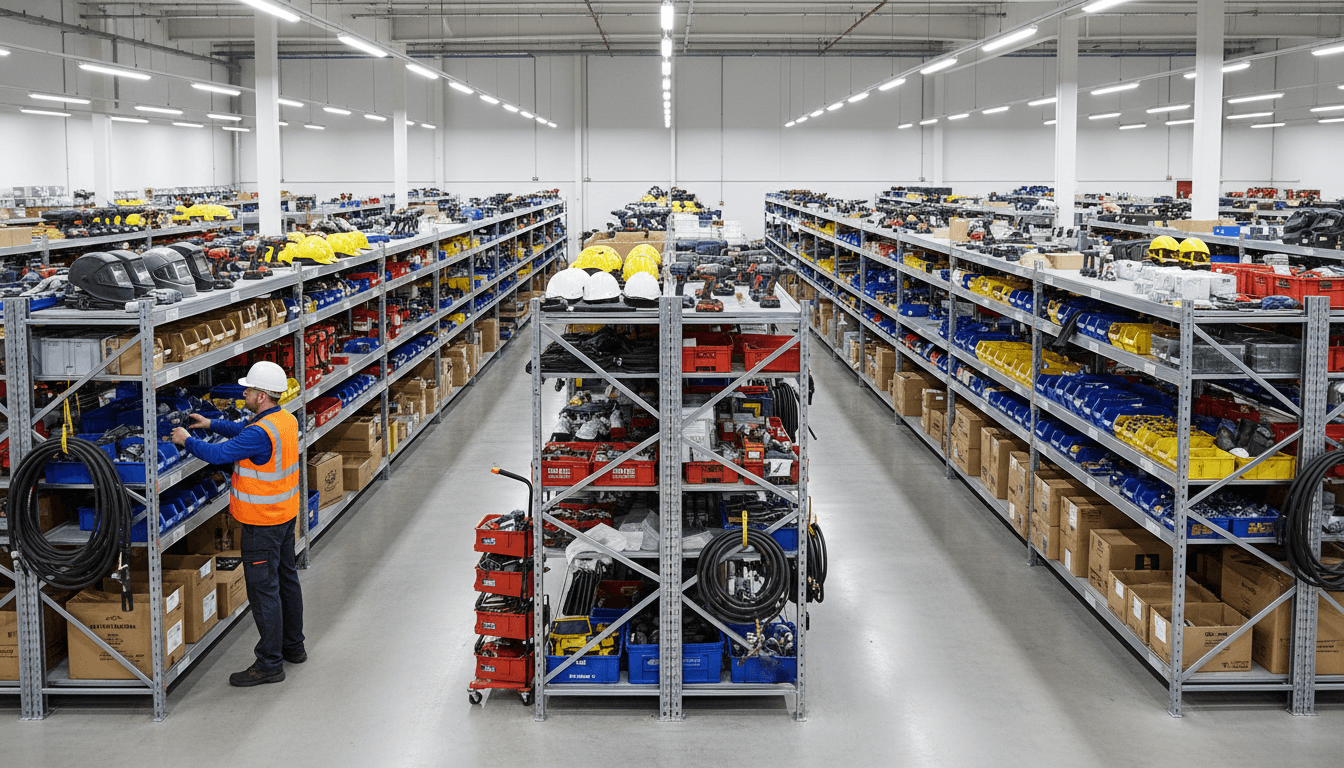
Implementing direct supply industrial tools savings contractors farmers 2026 strategies allows professionals to bypass retail markups and mitigate the impact of rising equipment costs. By sourcing directly from manufacturers and utilizing bulk purchasing agreements, contractors and farmers can protect their project margins against volatile inflation and labor shortages.
As we move into 2026, contractors and farmers face a relentless squeeze from rising equipment costs and stagnant project bids. Traditional retail markups are no longer sustainable for professionals who need to maintain competitive margins in an unpredictable economy. When your bottom line is threatened by inflated distributor pricing, sourcing smarter becomes a tactical necessity rather than a mere preference. This article examines the direct supply advantage, focusing on how cutting out the middleman can stabilize your overhead. You will learn to navigate the 2026 economic storm by decoding retail realities, protecting your contractor margins, and leveraging streamlined logistics for abrasives and safety gear. From the job sites of Scottsdale to the fields of Arizona, we provide a strategic procurement checklist designed to keep your operations profitable and your inventory stocked without the unnecessary retail premium.
The 2026 Economic Storm: Why Traditional Tool Sourcing is Failing

The industrial landscape entering 2026 is defined by a tightening vise of labor shortages and rising overhead. Current research indicates the construction industry needs approximately 349,000 new workers to meet demand, while material costs have sustained a 7 percent year over year increase. For years, many large scale retailers and wholesalers managed to cushion these spikes through inventory lag or temporary price freezes. However, by 2026, the industry is hitting a tariff absorption wall. Suppliers can no longer insulate the end user from escalating geopolitical trade costs and manufacturing surcharges; these expenses are now flowing directly onto the invoice.
For contractors operating on fixed bid contracts, these sudden price shifts are margin killers. A bid submitted today may become unprofitable by the time the project breaks ground if consumable costs like abrasives and drill bits spike unexpectedly. Similarly, farmers facing volatile commodity prices cannot afford to let essential maintenance costs fluctuate wildly. Traditional sourcing methods, which rely on local retail markups and multiple layers of distribution, are failing because they lack the transparency and stability needed to combat these specific headwinds.
Protecting your bottom line requires a defensive strategy built on direct supply industrial tools savings contractors farmers 2026 can rely on. At Harrison Hunter Industrial Supply LLC, we recognize that the old model of buying off the shelf at a premium is no longer sustainable. By streamlining industrial tool supply, we remove the overhead of physical storefronts and middleman profits. You can learn more about Harrison Hunter and how our Scottsdale based operations serve the American heartland. To secure your procurement strategy for the upcoming fiscal year, contact our team today to discuss your specific equipment and safety gear requirements.
Decoding the Markup: Distributor Pricing vs. Retail Reality
To understand why tool costs are spiraling, you must look at the hidden hand of traditional distribution. Most industrial equipment passes through at least four sets of hands before it reaches a job site or farm. The chain usually begins with the manufacturer, moves to a master distributor, flows to a regional wholesaler, and finally lands on a shelf at a local retail store. Each stop adds a layer of logistical complexity and, more importantly, a margin of profit that the end user eventually pays.
Research into industrial supply programs suggests that the average distributor markup sits around 20 percent. By the time that same product reaches a local retail storefront, the price climbs even higher to cover the costs of prime real estate, retail staffing, and inventory storage. When you buy a high performance impact wrench or a batch of grinding wheels from a big box store, you are not just paying for the steel and engineering. You are subsidizing the storefront’s utility bills and the layers of corporate overhead accumulated during transit.
Supply Chain Layer | Typical Markup Impact | Primary Cost Drivers |
|---|---|---|
Manufacturer | Base Cost | Raw materials, R&D, Labor |
Master Distributor | 10-15% | International logistics, Bulk storage |
Regional Wholesaler | 15-20% | Regional freight, Territory sales reps |
Local Retail Store | 25%+ | Storefront rent, Retail labor, Marketing |
Harrison Hunter Industrial Supply LLC operates on a leaner architecture. By eliminating the regional wholesaler and the physical storefront, we provide a more direct route from the source to the professional. This is the core of our industrial tool supply philosophy. Sourcing smarter in today's economy means realizing that middleman profit is an avoidable expense. This lean model is how we secure direct supply industrial tools savings contractors farmers 2026 can utilize to protect their bottom line against inflationary pressure. If you want to see how this model impacts your specific inventory list, you can contact our team for a direct price comparison.
Protecting Contractor Margins in a High Demand Construction Market

The 2026 construction forecast indicates a massive surge in nonresidential capital expenditure, particularly within the tech sector. Data center construction and industrial manufacturing projects are dominating the market, creating a competitive vacuum for essential supplies. When demand peaks in these specific sectors, traditional retail prices fluctuate wildly, making it nearly impossible to finalize a fixed bid without risking your entire profit margin.
Contractors often attempt a Buyout Defense strategy by stockpiling materials early to hedge against inflation. While the intent is sound, blind stockpiling often leads to operational capital being tied up in random inventory that may not match the specific requirements of the project. A more effective approach involves a strategic partnership with a direct industrial tool supply specialist. By securing a reliable pipeline for high-consumption items like abrasives, grinding wheels, and respirators, you lock in the direct supply industrial tools savings contractors farmers 2026 demand to remain solvent.
This direct supply model provides price consistency that retail outlets simply cannot match. When your bid reflects stable distributor pricing rather than the volatile spot-market rates found at big box stores, your estimates become a defensive shield for your margins. This stability is critical for long-duration projects where material costs might otherwise erode your profit before completion. Instead of reacting to market spikes, you can forecast your tool and safety overhead with precision. To see how our pricing structure supports your next fixed-bid project, contact our team for a direct cost comparison.
Input Cost Relief for the 2026 Modern Farmer

Agriculture in 2026 is experiencing a significant boom, yet the surge in market demand is shadowed by extreme input cost volatility. For Arizona farmers, managing a balance sheet requires more than just monitoring crop prices; it demands a ruthless audit of the operational hidden tax found in high-markup retail tool purchases. Traditional sourcing for maintenance equipment often forces producers to choose between overpriced local inventory and delaying critical repairs, a gamble that rarely pays off when a harvest window is closing.
The desert environment presents unique challenges that accelerate equipment degradation. In the Southwest, fine dust and extreme heat act as constant abrasives on hydraulic systems and tillage equipment. Maintaining a rigorous service schedule in these conditions is non-negotiable, but the cost of professional-grade wrenches, impact tools, and high-performance lubricants can be prohibitive at retail rates. By utilizing industrial tool supply channels that bypass the middleman, producers can reinvest those savings into higher-quality components that survive the Arizona climate longer.
Securing the direct supply industrial tools savings contractors farmers 2026 require involves more than just price; it is about procurement reliability. When you eliminate the 25 percent retail markup, the budget for essential safety gear, such as respirators for dust protection and professional-grade eye protection, expands significantly. This shift allows for a proactive maintenance culture rather than a reactive one that waits for a total equipment failure. You can read more about Harrison Hunter to see how our Arizona roots inform our product selection for the agricultural sector. For a customized quote on bulk maintenance supplies, contact our team to align your 2026 overhead with realistic commodity prices.
Essential Inventory: Direct Access to Abrasives and Safety Gear

High-frequency consumables are the primary drivers of operational leakage. Items like grinding discs, cutoff wheels, and flap discs are often purchased in small, reactive batches at retail prices, which masks their total annual impact on the bottom line. By transitioning to a direct industrial tool supply model, you address the categories where the frequency of purchase is highest. Supply program data indicates that bypassing traditional retail for these specific abrasives can yield a 15 to 25 percent reduction in total spend. For a mid-sized fabrication shop or a large-scale farm, that savings translates to thousands of dollars in reclaimed capital over a single fiscal year.
Beyond abrasives, professional-grade safety gear represents a critical compliance category for 2026. With recent OSHA updates emphasizing stricter standards for respiratory protection and impact-rated eye gear, the necessity for high-quality, certified equipment has never been higher. Sourcing respirators and specialized safety glasses directly ensures your crew is protected by gear that meets or exceeds the newest mandates, avoiding the inflated 'convenience tax' found at local big-box stores. This streamlined procurement method is the most effective way to secure the direct supply industrial tools savings contractors farmers 2026 require to maintain rigorous safety standards without eroding project margins. To audit your current spend on high-volume consumables, contact our team for a direct price comparison.
The Logistics of Savings: Why Scottsdale and Tempe Pros Choose Direct Delivery
The logistics of tool sourcing are often overlooked as a variable cost, yet they represent a significant drain on productivity. In the booming East Valley tech corridors, where project timelines are aggressive and skilled labor is at a premium, the traditional retail run is an obsolete practice. Research indicates that 92 percent of construction companies currently struggle to fill essential roles. Sending a highly paid specialist to navigate Scottsdale traffic or wait in a big box retail line is an inefficient allocation of a scarce resource. Every minute spent in transit is a minute not spent on the tools, which effectively increases your total labor overhead.
Choosing a partner based in Scottsdale, AZ, who understands the specific demands of the local industrial landscape ensures your supply chain is resilient. By utilizing direct delivery to the job site or the farm gate, you secure the direct supply industrial tools savings contractors farmers 2026 need to stay competitive during this period of high demand. This model keeps your crew focused on production while we manage the logistics of industrial tool supply. You can learn more about Harrison Hunter and our commitment to supporting Arizona’s industrial and agricultural backbone. To streamline your project logistics and eliminate unnecessary procurement downtime, contact our team to coordinate your next direct site delivery.
A 2026 Procurement Strategy Checklist for Independent Contractors
Transitioning from reactive purchasing to a strategic procurement model requires a structured evaluation of your current sourcing habits. Implementing a formal checklist ensures you capture every opportunity for direct supply industrial tools savings contractors farmers 2026 require to protect year end profitability. Use these steps to refine your overhead before the peak of the 2026 industrial cycle:
Audit 2025 rogue spending: Review accounting records for unplanned, small-batch purchases at retail hardware stores. These convenience-based trips carry the highest markups and hidden labor costs.
Identify high-volume consumables: Pinpoint the high-turnover items that drive recurring costs; specifically focus on abrasives, professional-grade gloves, and drill bits.
Benchmarking: Compare our industrial tool supply distributor pricing against your current retail invoices to quantify the specific margin loss you are currently absorbing.
Logistics Planning: Establish a recurring direct delivery schedule to the job site or farm. This eliminates unproductive downtime spent in transit to local stores.
Fiscal Timing: Consult with your tax professional to leverage the benefits of writing off essential equipment and safety gear purchases before the 2026 year end.
Optimizing your supply chain is the most effective way to insulate your business from external economic volatility. To begin your direct price comparison and secure your inventory, contact our team today.
Navigating the rising costs of 2026 requires a proactive approach to equipment sourcing. By leveraging direct supply advantages, contractors and farmers can effectively protect their bottom line and ensure project continuity. However, managing complex supply chains while running a business is a significant undertaking. If you want expert help finding the right tools at competitive prices, you can learn more about our mission and specialized services. We are dedicated to providing the reliable support you need to thrive in a changing economy.