Addressing the skilled labor shortage contractors farmers tools consumables productivity 2026 gap requires a strategic shift toward high efficiency equipment and reliable supplies to maximize output per worker. By focusing on technological optimization rather than headcount, businesses can maintain project timelines and profitability despite a thinning workforce; these smarter investments ensure that fewer hands can achieve significantly more work.
For contractors across Arizona and farmers maintaining the nation's food supply, the primary bottleneck in 2026 is no longer a lack of contracts; it is the persistent, widening gap in skilled labor. You are likely facing a reality where your most experienced hands are retiring and the new talent pool is smaller than the demand. When you cannot hire more people, you must maximize the productivity of the crew you already have. This is where your choice of tools and consumables transitions from a line item expense to a critical strategic asset. High performance equipment does more than just cut or fasten; it reduces fatigue and prevents downtime. This guide explores the 'Skilled Labor Playbook,' covering how to bridge the gap with professional grade supplies, enhance retention through safety, and calculate the true ROI of quality equipment.
The 2026 Labor Reality: Why Hiring More People is No Longer a Plan
The labor landscape of 2026 has reached a critical tipping point. Industry data from Associated Builders and Contractors (ABC) and Bluebeam indicates that the construction sector requires nearly 350,000 additional workers this year alone to maintain current momentum. This is not a seasonal fluctuation or a temporary cycle. It is a permanent structural shift caused by a retiring generation and the explosive growth of Arizona megaprojects. Massive semiconductor fabs and data centers are currently absorbing the regional labor pool, leaving smaller contractors and agricultural operations struggling to compete for the same skilled hands.
For those in the field, the skilled labor shortage contractors farmers tools consumables productivity 2026 outlook demands a tactical pivot. Hiring your way out of the problem is no longer a viable plan because the workers simply do not exist in the numbers required. Agricultural operations face a parallel crisis, as nearly half of the workforce reports they are actively seeking new opportunities, often lured away by the higher wages of nearby industrial builds.
Instead of searching for people who aren't there, the focus must shift from hiring up to tooling up. Increasing the utilization factor of your current team is the only way to protect your margins. When you provide your crew with professional grade industrial tools and superior consumables, you are essentially buying back time. This strategy transforms your existing workforce into a more potent version of itself, allowing you to hit deadlines that would otherwise be impossible with a lean staff.
Small Tools and Consumables: The Stealth Labor Force

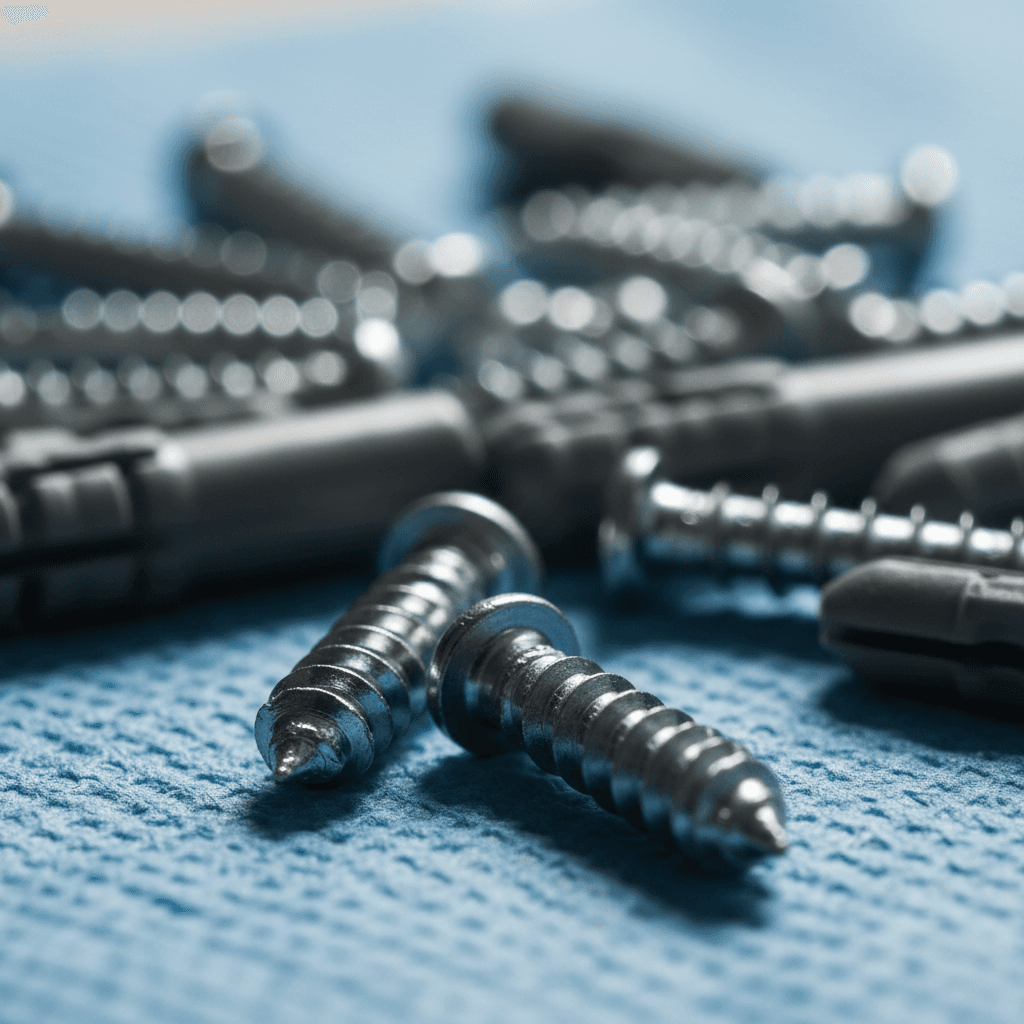
While many industry analysts suggest that high-end project management software is the primary solution to a thinning workforce, digital tools cannot physically grind a weld or drive a fastener. In the current skilled labor shortage contractors farmers tools consumables productivity 2026 landscape, high-performance consumables function as a stealth labor force. These items are often treated as mere overhead; however, professional grade abrasives, drill bits, and fasteners act as critical force multipliers for the crew you already have on-site.
The 'phantom workforce' is the most significant drain on a modern job site. This refers to the hours lost to non-productive movement, such as a worker walking to a tool crib or service truck because a low-quality drill bit snapped or a cheap grinding disc glazed over. If a premium grinding disc lasts 30 percent longer, that represents a 30 percent reduction in downtime spent on tool maintenance and transit. Over a 40-hour week, those saved minutes aggregate into hours of recovered productivity that would otherwise be wasted on repetitive supply runs.
Specific investments in professional grade industrial tools can even eliminate entire labor steps. For instance, transitioning to high-grade carbide saw blades allows for cold, burr-free cuts on steel and aluminum. Unlike traditional abrasive wheels that leave behind slag and heat-discolored edges, these blades produce a finish that is often ready for immediate assembly or welding. By removing the need for secondary finishing work, you effectively save a labor step. In an era where every man-hour is a precious resource, ensuring that your team is supported by superior consumables is the most direct way to increase output without increasing headcount. Focusing on the quality of these small components allows your lead hands to stay focused on the task at hand rather than the state of their equipment.
The Efficiency Mandate: Increasing Wrench Time for Arizona Crews

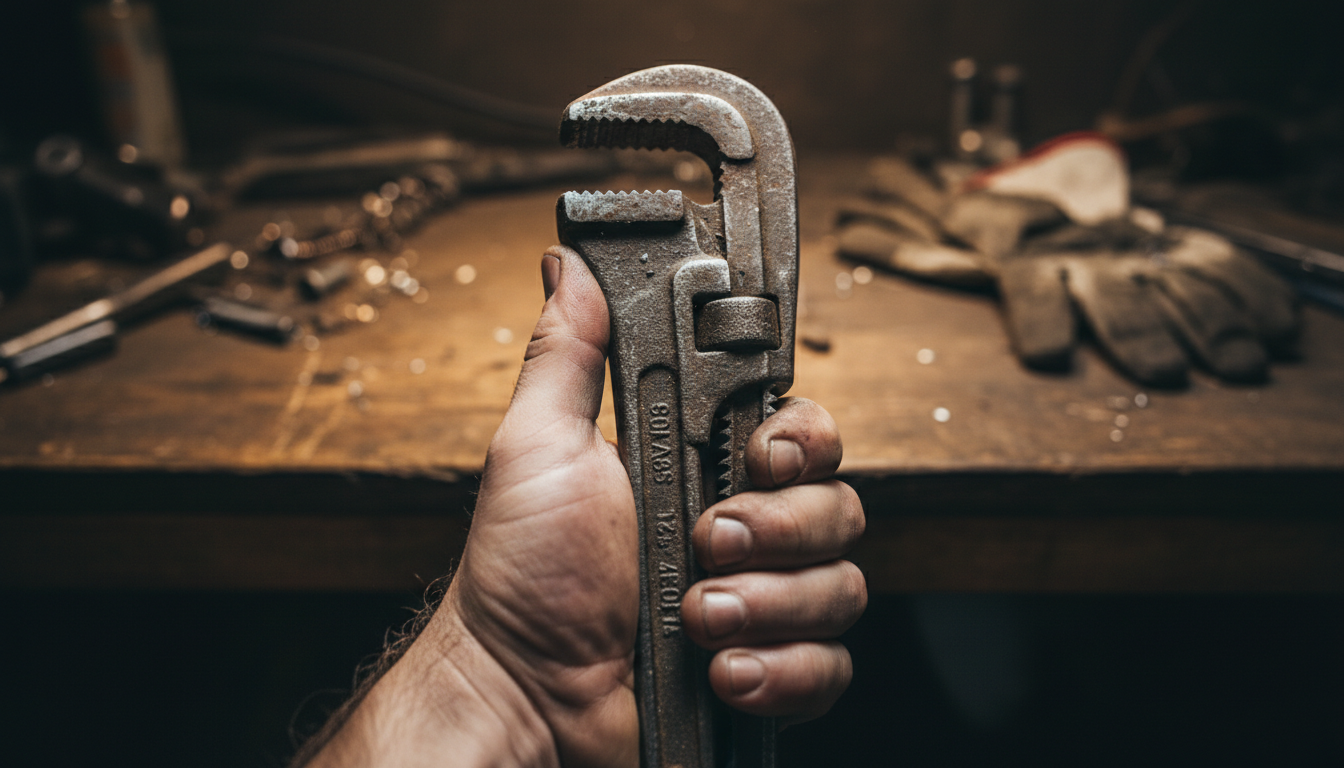
To survive the current skilled labor shortage contractors farmers tools consumables productivity 2026 environment, businesses must master the concept of wrench time. Also known as the utilization factor, wrench time represents the actual hours a technician or laborer spends performing their core craft rather than moving materials, searching for equipment, or sitting in traffic. In 2026, the industry standard for productivity must increase by at least 20 percent per worker just to keep projects on schedule and counteract the thinning labor pool.
One of the most significant drains on Arizona project budgets is the middleman run. When a skilled lead in Scottsdale or Tempe leaves the job site to visit a big box retailer for screws, drill bits, or safety gear, the project loses more than just the cost of fuel. It loses the most expensive man-hours on the payroll. A lead hand spending ninety minutes navigating Valley traffic to source basic consumables is an hour and a half of zero utilization. For a small crew, this inefficiency can derail an entire week's schedule.
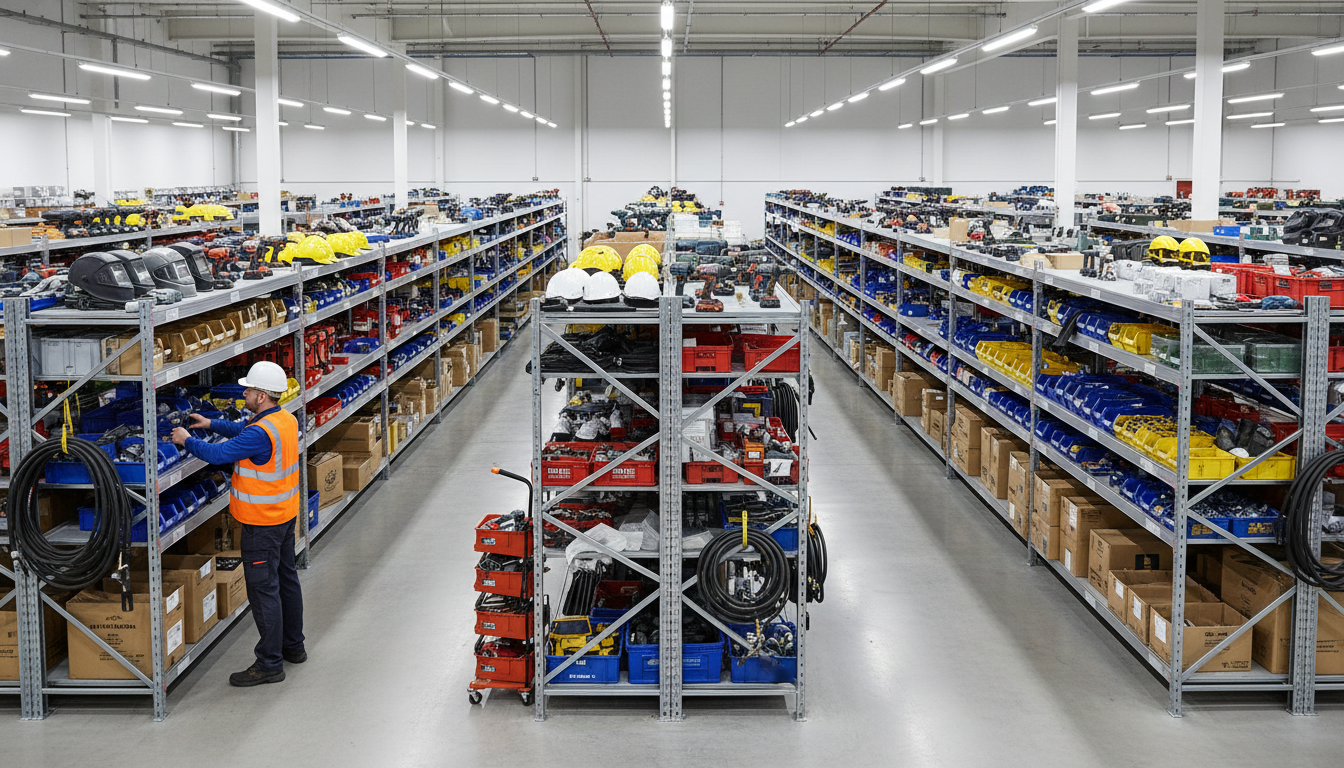
Harrison Hunter Industrial Supply LLC addresses this by utilizing a direct-to-contractor delivery model. By eliminating the retail middleman and delivering professional grade industrial tools directly to the site or shop, we ensure that your team stays focused on the task at hand. This logistical shift transforms supply procurement from a chore that consumes labor into a streamlined process that supports it. When high-quality supplies are delivered exactly where they are needed, the focus returns to production, allowing your existing workforce to meet the aggressive output demands of the modern Arizona landscape.
Agricultural Resilience: Tooling for the Modern Farm Shop

The agricultural sector faces a parallel crisis where equipment uptime must compensate for missing hands. In the skilled labor shortage contractors farmers tools consumables productivity 2026 landscape, the farm shop is no longer just a storage space; it is a critical recovery center. When seasonal labor is unavailable, the repair or replace dilemma becomes a matter of survival. Waiting days for a specialized technician or a backordered part during a tight harvest window is a risk few can afford.
By investing in professional grade industrial tools and high-performance metalworking abrasives, farmers can execute precise, permanent repairs in-house. High-quality grinding wheels and carbide-tipped cutters allow for faster fabrication, turning a day-long breakdown into a two-hour fix.
Efficiency in the shop also requires attention to the work environment. Upgrading to high-output LED lighting and maintaining organized cabinets for consumables reduces the cognitive load and physical strain on a smaller or aging workforce. When every item has a dedicated place and every tool performs predictably, frustration drops and productivity rises. This proactive approach ensures that the limited labor available is spent in the field, not waiting for a service truck that might be delayed by the same regional labor pressures affecting every other industry.
Safety Gear as a Retention Strategy: Why PPE Quality Matters

In the context of the current skilled labor shortage contractors farmers tools consumables productivity 2026 landscape, a single preventable injury is no longer just a medical claim; it is a project-killing event. When your crew is already lean, losing a lead hand to a respiratory issue or an eye injury can halt a schedule entirely. This brings us to a critical question often asked in industry circles: What is the most important tool in managing labor costs? While many look to payroll software, the practical answer is high-quality personal protective equipment (PPE).
Safety gear serves as a silent retention strategy. Providing professional grade industrial tools alongside premium PPE, such as high-dexterity gloves and lightweight, modern respirators, demonstrates to your workforce that their physical well-being is a priority. Cheap, ill-fitting gear is frequently abandoned or forgotten in the truck because it hinders movement or causes skin irritation. In contrast, gear designed for ergonomic fit and all-day wear ensures compliance and reduces daily fatigue.
With 51 percent of agricultural workers and a significant portion of the construction labor pool actively seeking new roles, the perceived value of their working conditions is a competitive advantage. Superior equipment reduces the physical friction of the workday, making it easier for your best people to stay on the job. If you need to audit your current safety stock to ensure it meets these professional standards, you can contact our Scottsdale team for expert recommendations.
Calculating the ROI of Professional Grade Equipment
Understanding the financial impact of the skilled labor shortage contractors farmers tools consumables productivity 2026 crisis requires looking past the invoice price of a single tool. To accurately calculate ROI, managers must evaluate the Total Cost of Work. This framework identifies the sum of the consumable cost and the literal labor expense required to utilize that consumable.
In the 2026 market, labor is the most expensive and volatile variable in any project equation. When a technician uses an inferior abrasive or a low-grade drill bit, they are not just using a cheaper product; they are consuming more of the company's most limited resource: time. Consider a standard grinding task using a $50 per hour labor rate:
Metric | Economy Consumable | |
|---|---|---|
Unit Price | $5.00 | $12.00 |
Time to Complete Task | 15 Minutes | 6 Minutes |
Labor Cost ($50/hr) | $12.50 | $5.00 |
Total Task Cost | $17.50 | $17.00 |
By investing seven dollars more in the initial purchase, the contractor saves a net fifty cents per task while freeing up nine minutes of a worker's schedule. Over the course of a year, these recovered minutes aggregate into hundreds of hours of additional capacity. This shift in procurement logic allows for a clear assessment of which contractor productivity tools are essential for maintaining margins. Higher upfront costs are not an expense; they are a calculated hedge against the rising cost of human labor.
Sourcing in 2026: The Harrison Hunter Advantage
Harrison Hunter Industrial Supply LLC operates as a strategic partner rather than a traditional retailer. Based in Scottsdale, we eliminate the friction of the retail middleman by providing distributor pricing and direct-to-site delivery. This model allows us to serve as a literal extension of your supply chain, ensuring that professional grade industrial tools arrive exactly when and where they are needed. By bypassing the delays and overhead associated with big-box stores, we help Arizona contractors and farmers protect their margins against the rising costs of the skilled labor shortage contractors farmers tools consumables productivity 2026 era.
Our approach simplifies the logistics of project management. To thrive in this environment, businesses must adopt a specific playbook: consolidate sourcing to reduce administrative drain, upgrade to higher-performing consumables to maximize wrench time, and prioritize worker safety to maintain a stable workforce. If you are ready to stabilize your operations and outpace the competition, you can contact our Scottsdale team to discuss a tailored supply strategy. More than just a supplier, we are a resource dedicated to the long-term success of the American builder and producer. You can learn more about Harrison Hunter Industrial Supply LLC to see how our direct-to-field model bridges the labor gap.
As we move into 2026, bridging the labor gap requires a strategic focus on the quality of your equipment and daily consumables. Choosing tools that maximize efficiency ensures your current crew remains productive even when headcount is low. If you want expert help selecting the right supplies to streamline your operations, we are here to provide tailored recommendations for your business. You can learn more about our mission to support the success of local contractors and farmers through reliable industrial supply solutions.