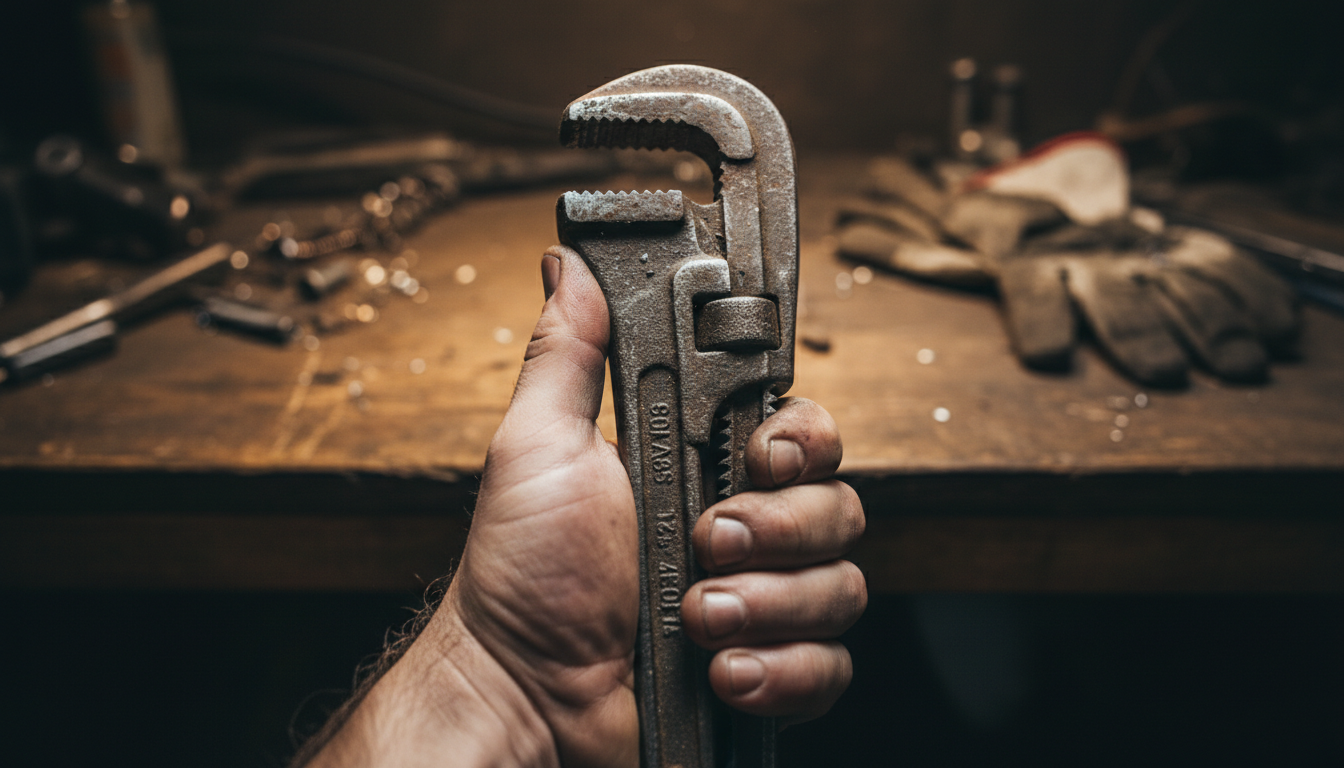
Optimizing structural integrity requires a comprehensive fasteners hardware guide self-tapping screws concrete anchors heavy-duty bolts contractors farmers 2026 to select the right components for masonry and steel. Utilizing Grade 8 bolts for tensile strength and wedge anchors for heavy concrete loads ensures that modern construction projects remain secure and durable.
In the construction and agricultural sectors, a single stripped thread or a sheared bolt can bring a high-stakes project to a grinding halt. Contractors and farmers cannot afford the luxury of trial and error when it comes to structural integrity. As we look toward the technical requirements of 2026, the complexity of fastener selection has only increased. Choosing between a wedge anchor and a sleeve anchor, or determining if a Grade 8 bolt is actually the right fit for your application, requires more than just guesswork; it requires precision. This guide breaks down the essential hardware every professional needs to stock. We will examine the nuances of self-tapping screws for metal and masonry, compare concrete anchoring systems for maximum hold, and explore how to navigate the specific corrosion challenges of the Arizona environment. By the end of this resource, you will have a clear roadmap for sourcing the durable, high-performance fasteners that keep your operations moving.
The 2026 Standard for Industrial Fasteners and Hardware
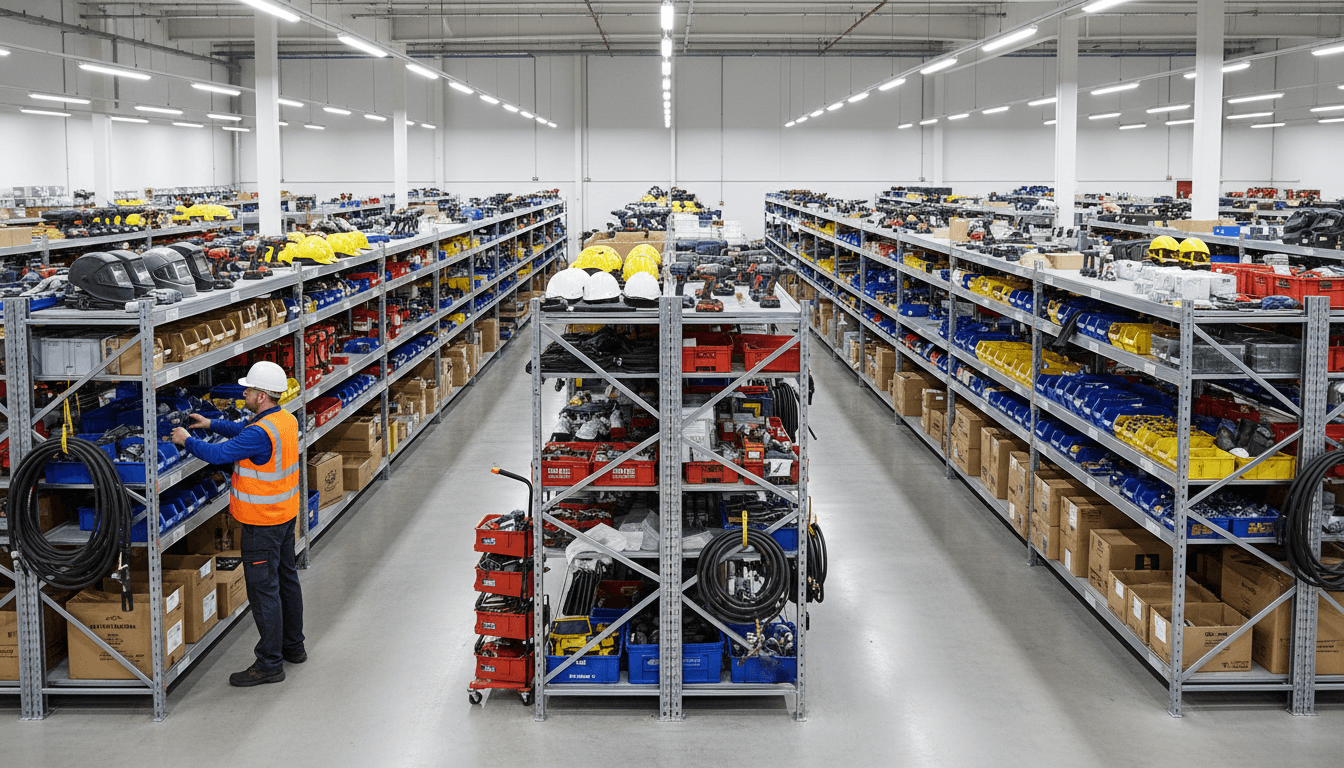
The industrial landscape of 2026 demands more than just standard hardware. Material science has transitioned toward higher-strength alloys and advanced coatings that significantly outperform legacy zinc plating in harsh environments. Simultaneously, supply chain shifts have rendered the traditional retail model obsolete for professionals who prioritize uptime and precision. Harrison Hunter Industrial Supply, based in Scottsdale, provides direct industrial tool delivery that bypasses the middleman. This model ensures that high-performance components required for modern infrastructure and agricultural resilience are accessible at distributor pricing.
This fasteners hardware guide self-tapping screws concrete anchors heavy-duty bolts contractors farmers 2026 provides the technical foundation needed for two critical sectors. For contractors, the priority is structural integrity and code compliance within Arizona's rigorous building standards. For farmers, the focus is machinery repair and barn maintenance, where selecting the wrong bolt grade can cause expensive mechanical failures during a harvest. Sourcing directly through our team eliminates the substantial markups typical of big box retailers. Professionals no longer need to pay for the overhead of a retail storefront; they instead invest in the engineering and quality of the hardware itself. You can learn more about Harrison Hunter Industrial Supply and how we bridge the gap between manufacturer specifications and job site application through a more efficient, direct-to-pro approach.
Self-Tapping Screws: Selecting the Right Point for Metal and Masonry
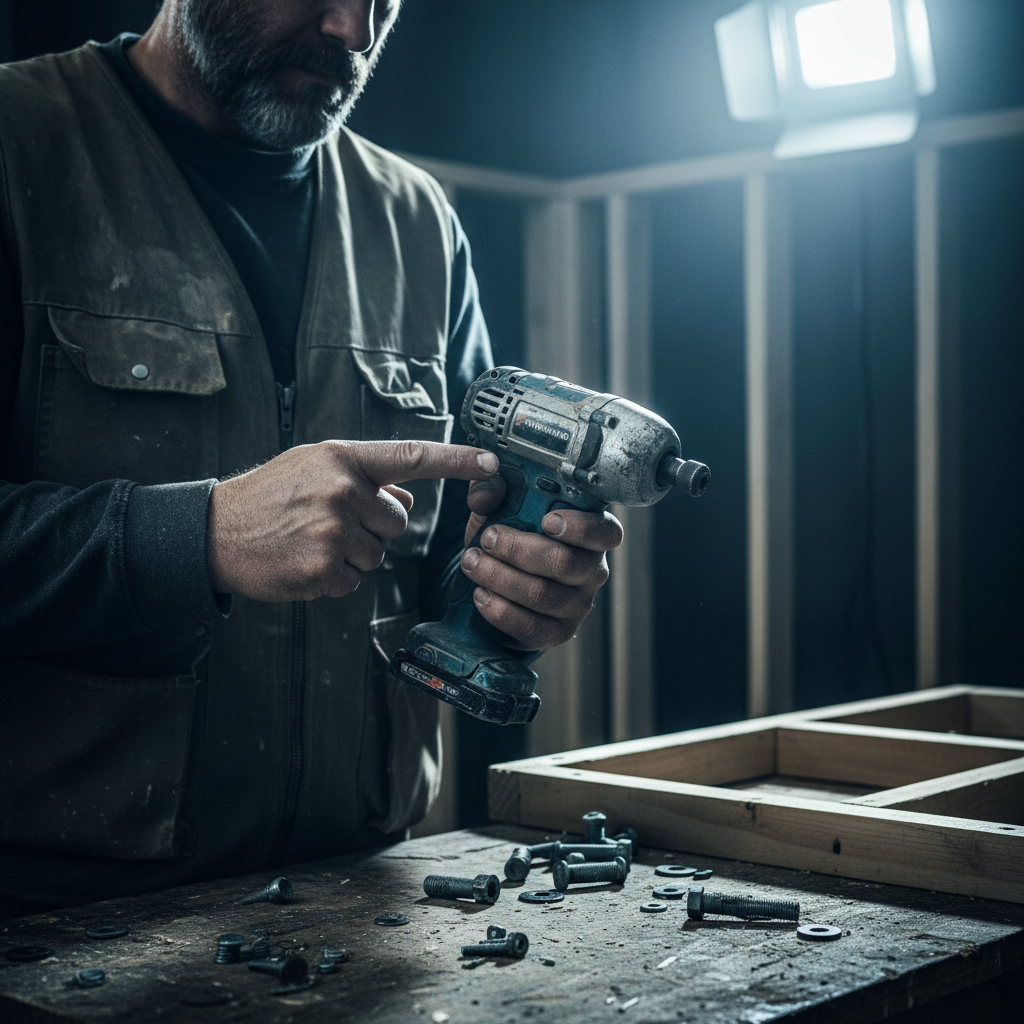
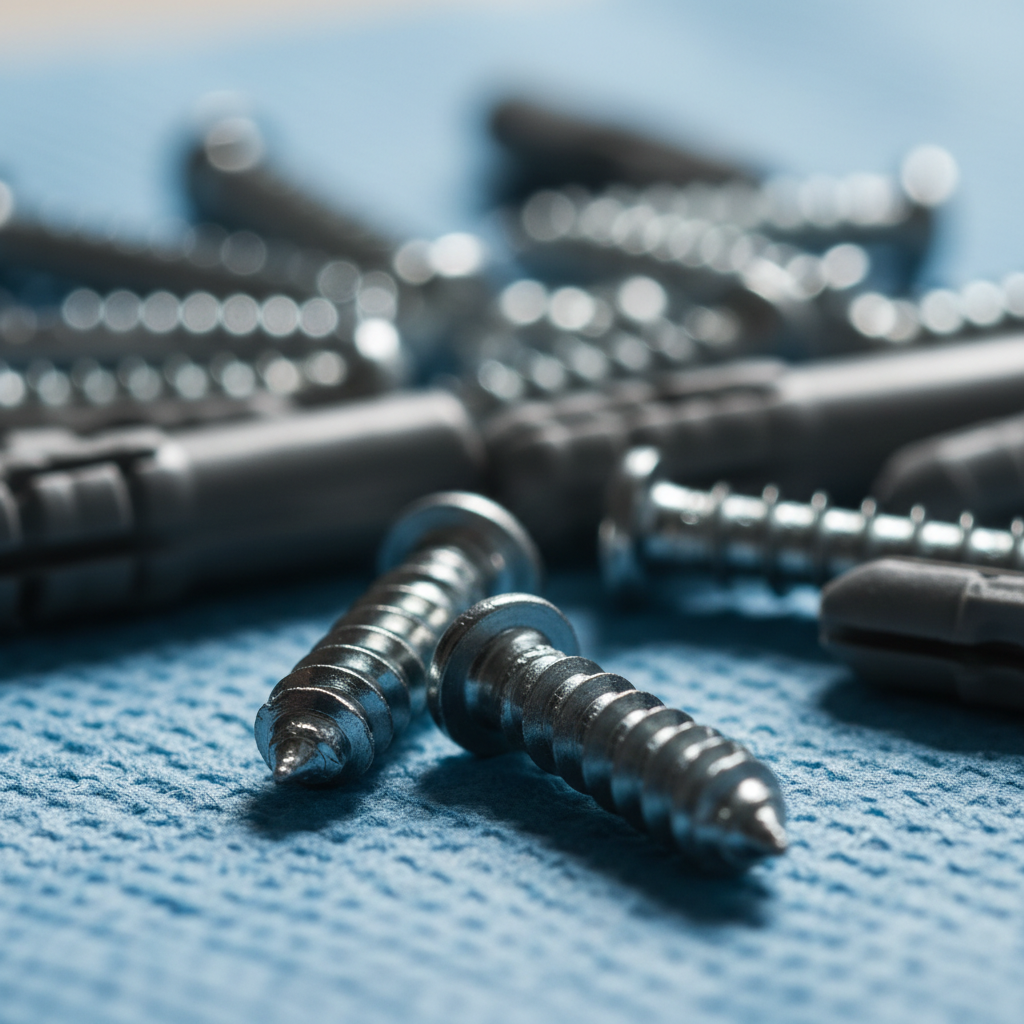
Distinguishing between self-tapping and self-drilling screws is the first step in avoiding site delays or mechanical failure. While often used interchangeably, self-drilling screws, frequently called TEK screws, feature a specialized drill bit point that eliminates the need for a separate pilot hole in metal. Self-tapping screws, however, are designed to form or cut threads in a pre-drilled hole or thinner sheet metal. For the high-density steel used in modern Scottsdale commercial framing, selecting the correct point is non-negotiable to maintain structural speed and fastener life.
The TEK point numbering system dictates the thickness of steel the fastener can penetrate. A TEK 3 point is the industry standard for light to medium gauge steel up to 0.175 inches. For heavy structural steel or thick-walled beams often found in industrial agricultural equipment, a TEK 5 point is required to pierce material up to a half-inch thick without burning out the tip or snapping the fastener shank.
Point Type | Material Suitability | Max Penetration |
|---|---|---|
TEK 3 | Light-gauge metal studs, roofing, and siding | 0.175" |
TEK 5 | Structural steel, heavy machinery, and I-beams | 0.500" |
Transitioning to masonry, the pilot hole debate is settled by precise engineering tolerances. A 3/16 inch masonry screw requires a 5/32 inch carbide-tipped bit to create the exact clearance for the threads to bite without cracking the substrate. It is a critical best practice to drill the hole at least 1/2 inch deeper than the intended screw embedment. This extra space allows for the accumulation of concrete dust that cannot be fully extracted. Failing to allow for this dust causes the screw to bottom out and shear off before it is fully seated.
Following this fasteners hardware guide self-tapping screws concrete anchors heavy-duty bolts contractors farmers 2026 helps professionals avoid these common pitfalls. Proper tool and fastener pairing ensures that every connection meets the load requirements of the job. For specific torque ratings or material compatibility, contact our Scottsdale team to ensure your project remains on schedule and within code.
Concrete Anchors Compared: Wedge, Sleeve, and Drop-In Solutions
When an application moves beyond light-duty screws to structural mounting, the choice of anchor depends entirely on the density and composition of the base material. Wedge anchors are the industry standard for permanent, high-load applications in solid, poured concrete. They function through a small expansion clip at the base that creates concentrated friction against the hole wall as the nut is tightened. Because this force is so localized, wedge anchors should never be used in brick or hollow block; the expansion pressure is high enough to split the substrate, leading to immediate structural failure.
In contrast, sleeve anchors are designed for versatility in less predictable materials. The expansion force is distributed across the entire length of the sleeve rather than a single point. This makes them the safer choice for older concrete, brick, or hollow block walls often found in rural Arizona outbuildings and barn foundations. While they offer slightly lower load capacities than wedge anchors in solid concrete, they provide a more stable hold in marginal materials where a wedge might lose grip. Contractors who source through Harrison Hunter benefit from our direct industrial tool delivery which brings these high-performance anchors to the job site without the usual retail markups.
Anchor Type | Best Substrate | Typical Application | Key Characteristic |
|---|---|---|---|
Wedge | Solid Concrete | Structural steel, heavy machinery | High-load, permanent |
Sleeve | Brick, Block, Concrete | Handrails, window frames, panels | Distributed expansion force |
Drop-In | Solid Concrete (Overhead) | Pipe racks, MEP hangers | Internal threads, flush mount |
For overhead Mechanical, Electrical, and Plumbing (MEP) installations, drop-in anchors are the preferred solution. These are female-threaded, flush-mount fasteners that require a specialized setting tool to expand the internal plug against the concrete. Once properly set, they allow for the easy installation and removal of threaded rod or bolts. This makes them indispensable for hanging heavy conduit or HVAC equipment from concrete ceilings in commercial Scottsdale builds. If your project involves complex structural specs, you can contact our Scottsdale team for technical guidance on load ratings.
Success with these heavy-duty systems requires more than just torque. This fasteners hardware guide self-tapping screws concrete anchors heavy-duty bolts contractors farmers 2026 emphasizes that preparation is the most common point of failure on the job site.
Mistakes to Avoid - Skipping hole cleaning: Engineering research indicates that leaving concrete dust in the hole can reduce an anchor's holding power by 50 percent or more. Always use a vacuum or compressed air combined with a wire brush to clear the hole. - Incorrect hole depth: Drilling too shallow prevents the anchor from seating; drilling too deep can lead to the anchor falling into a void or losing thread engagement. - Improper edge distance: Placing a wedge anchor too close to the edge of a slab will cause the concrete to spall or blowout under the high expansion loads.
Understanding Bolt Grades: Why Grade 8 Isn't Always the Answer

Properly prepared holes and the right anchor choice are the foundation of a secure mount, but the bolt itself must match the mechanical requirements of the system. Choosing the strongest possible bolt is not always the safest engineering decision. For those following this fasteners hardware guide self-tapping screws concrete anchors heavy-duty bolts contractors farmers 2026, understanding the Society of Automotive Engineers (SAE) J429 grading system is essential for both field repairs and new construction.
SAE grades indicate the tensile strength and material composition of the fastener. Grade 2 bolts have no markings and are suitable for low-stress applications. Grade 5 bolts, identified by three radial lines on the head, offer medium strength and are the industry standard for general mechanical use. Grade 8 bolts feature six radial lines and provide the highest strength for heavy equipment.
SAE Grade | Head Marking | Tensile Strength | Common Use |
|---|---|---|---|
Grade 2 | Plain (No lines) | 74,000 psi | General utility, wood |
Grade 5 | 3 Radial Lines | 120,000 psi | Automotive, general farming |
Grade 8 | 6 Radial Lines | 150,000 psi | Heavy machinery, high stress |
Farmers must exercise caution when upgrading hardware. While a Grade 8 bolt has higher tensile strength, it is harder and more brittle than Grade 5. If a piece of agricultural machinery, such as a baler or tiller, was engineered with a Grade 5 bolt to act as a shear pin or to allow for slight flex, replacing it with a Grade 8 fastener can be a costly mistake. Instead of the bolt failing as a safety measure, the stress is transferred to the more expensive gearbox or frame, leading to catastrophic mechanical failure during critical work windows.
It is also important to distinguish these from structural bolts like ASTM A325 or A490. While an A325 bolt shares a similar tensile strength with Grade 5, they are governed by different ASTM F3125 standards and are not interchangeable. Structural bolts are designed specifically for steel to steel connections in buildings. Using an SAE Grade 8 bolt in a structural application without engineering approval can compromise the integrity of the build. To source the exact grade your project requires, contact our Scottsdale team for expert assistance.
Structural Hardware for Large Scale Projects in 2026
Building on the distinction between mechanical and structural fasteners, large-scale projects in 2026 adhere to the unified ASTM F3125 standard. This specification consolidated legacy ratings like A325 and A490 into a single, comprehensive guideline for high-strength structural bolting. In the context of Arizona steel erection, the A325 bolt serves as the primary workhorse. It offers a balanced profile of 120 ksi tensile strength, making it the go-to choice for commercial framing and industrial warehouses in Scottsdale.
Environmental exposure dictates the necessary finish for these components. Interior steel frames typically utilize a plain finish; however, outdoor agricultural structures and exposed infrastructure require hot-dip galvanization to withstand the elements. This fasteners hardware guide self-tapping screws concrete anchors heavy-duty bolts contractors farmers 2026 emphasizes that while strength is paramount, the longevity of the connection depends on these coating choices. If your project involves heavy-duty steel-to-steel connections, you can contact our Scottsdale team to ensure your hardware meets the specific ASTM requirements for your site's climate and load.
Corrosion Resistance and Material Selection in the Arizona Climate
The intense ultraviolet exposure and cyclical monsoon humidity in Scottsdale create a punishing environment for industrial hardware. While Arizona is often perceived as a dry climate, the seasonal spikes in moisture can rapidly compromise inferior coatings through accelerated oxidation. Selecting the correct finish is as critical as the bolt grade itself for long-term reliability.
Zinc plating serves well for interior commercial builds where humidity is regulated, but it offers minimal protection for outdoor equipment or barn infrastructure. For these applications, hot-dip galvanizing is the professional choice. This process creates a much thicker, sacrificial layer that can withstand the abrasion and exposure typical of agricultural work.
Coating or Material | Corrosion Resistance | Strength Level | Primary Application |
|---|---|---|---|
Clear Zinc | Low | Varies by Grade | Interior framing, dry storage |
Hot-Dip Galvanized | High | Matches base bolt | Outdoor ag structures, fencing |
Stainless Steel | Exceptional | Moderate (Lower than Gr 8) | High-moisture areas, chemical exposure |
A common misconception addressed in this fasteners hardware guide self-tapping screws concrete anchors heavy-duty bolts contractors farmers 2026 is that stainless steel is a universal upgrade. While it provides exceptional rust resistance, it is generally weaker than a Grade 8 carbon steel bolt. Stainless fasteners are also highly susceptible to galling, a form of cold-welding that occurs during high-speed installation. If your project requires both high tensile strength and weather resistance, contact our Scottsdale team to discuss specialized coatings that balance these competing needs. Stainless steel remains an essential tool for specific niche applications, but it should not be substituted for high-strength carbon steel in load-bearing structural joints.
Sourcing and Logistics: The Direct Delivery Advantage for 2026
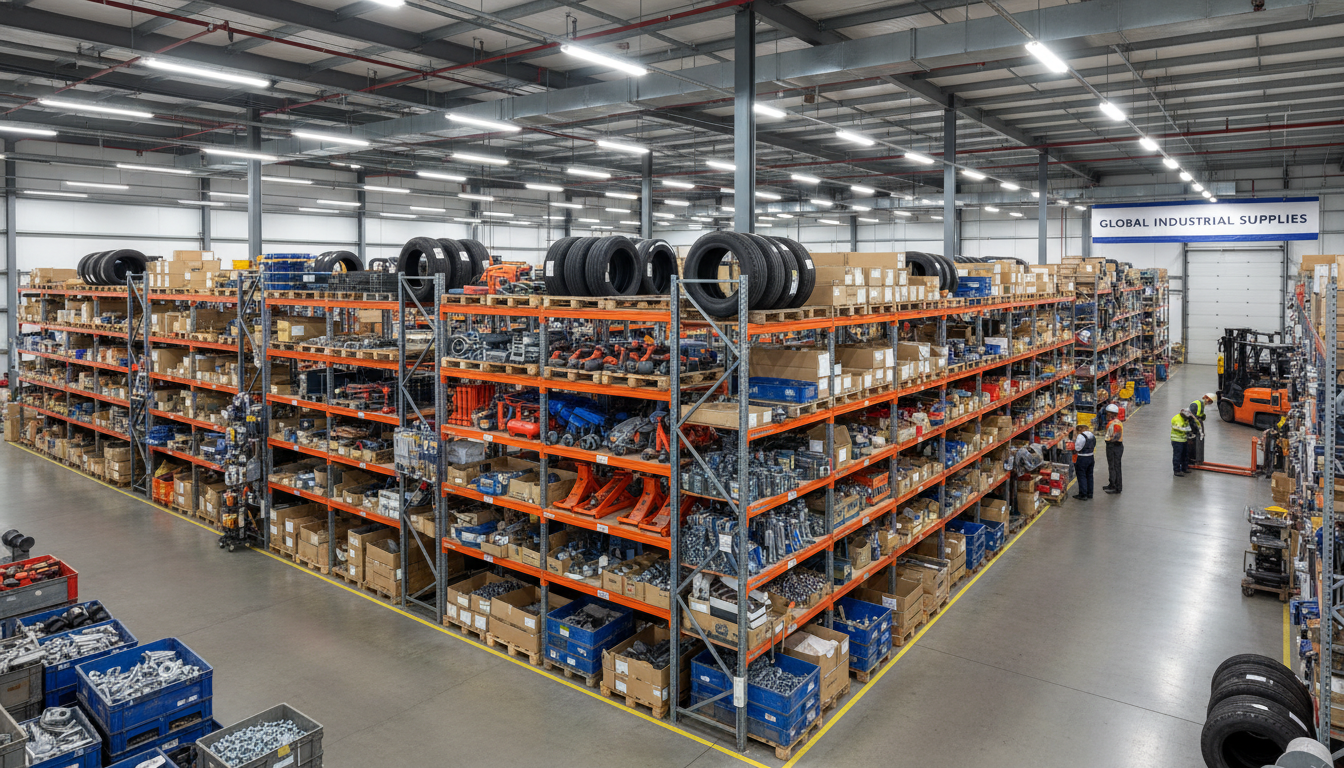
The direct supply model at Harrison Hunter Industrial Supply streamlines procurement by removing the retail middleman and providing distributor pricing. By utilizing direct industrial tool delivery, professionals across Arizona can maintain leaner inventories while ensuring critical components arrive exactly when needed. This efficiency is vital for high stakes projects where time spent at a retail counter represents lost revenue and delayed production. Our approach allows for the precise restocking of specialized items featured in this fasteners hardware guide self-tapping screws concrete anchors heavy-duty bolts contractors farmers 2026, from structural A325s to specific Grade 5 machinery bolts.
Maximizing site efficiency also requires a commitment to safety. We advocate for pairing high performance fasteners with professional grade safety gear to protect your team during the installation of heavy concrete anchors or high torque structural bolts. To learn more about Harrison Hunter Industrial Supply and our streamlined logistics, contact our Scottsdale team to coordinate your next site or farm delivery.
Choosing the right fasteners for your construction or agricultural projects ensures that every structure remains secure and durable. Whether you are dealing with heavy-duty bolts or precision self-tapping screws, the right hardware makes all the difference in long-term performance. If you want expert help selecting the best supplies for your specific needs, our team is ready to provide guidance. You can learn more about Harrison Hunter Industrial Supply and our dedication to quality equipment. We look forward to helping you find the perfect solutions for your next project.