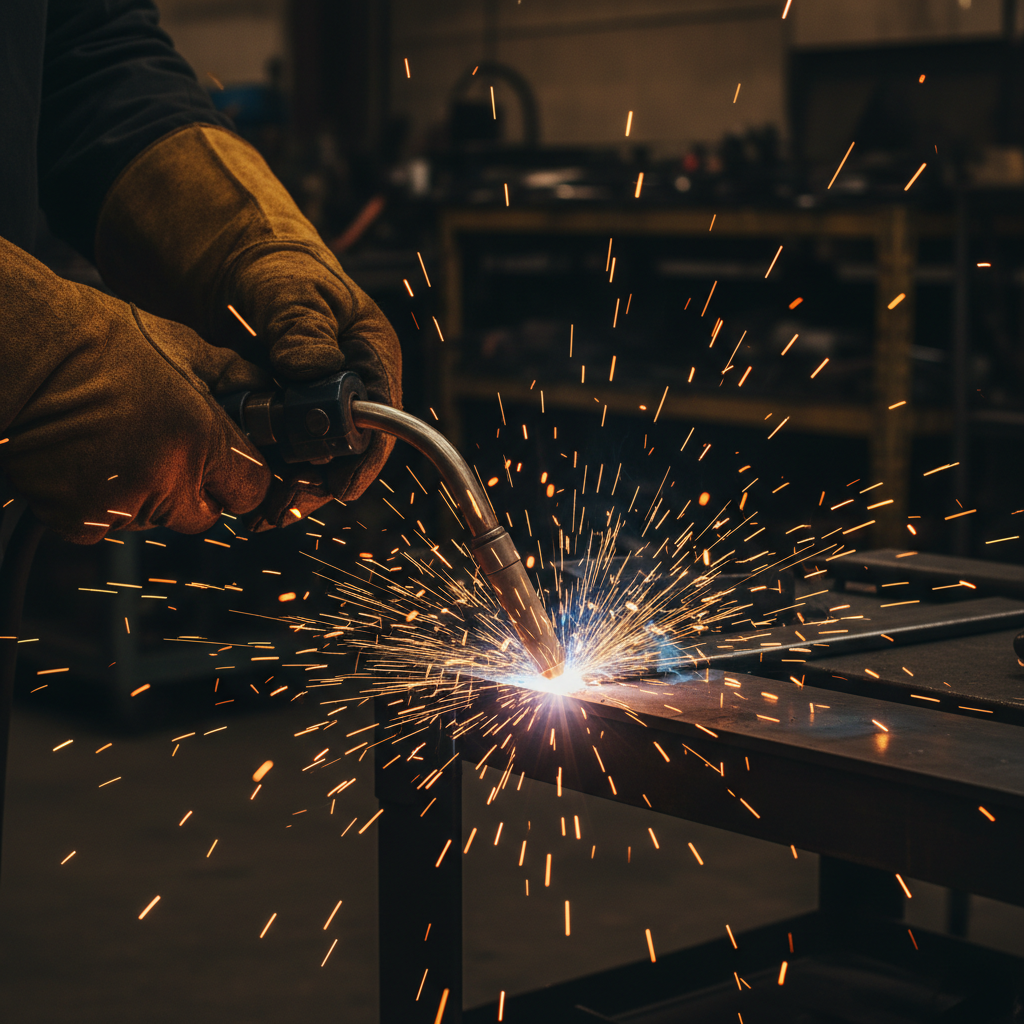
Selecting the correct filler metal requires matching the mechanical properties of the base material while accounting for specific environmental factors like wind or surface contamination. This welding consumables guide stick electrodes MIG wire hardfacing rods contractors farmers 2026 recommends stick electrodes for heavy outdoor repairs, MIG wire for high-speed fabrication, and hardfacing rods to significantly extend the lifespan of equipment subject to intense wear.
Every contractor and farmer knows the frustration of a weld that fails when a deadline is tight or heavy equipment is stuck in the mud. Using the wrong rod or contaminated wire does more than just ruin a bead; it eats into your profit margins and forces costly downtime. In 2026, the stakes for operational efficiency are higher than ever. At Harrison Hunter Industrial Supply LLC, we understand that your consumables are the backbone of your productivity. This guide breaks down the essential selection process for stick electrodes like 6010 and 7018, high speed MIG wire, and the specialized hardfacing rods necessary to keep your buckets and plows in service. You will learn how to choose the right filler metals for rugged field repairs and precision shop fabrication, along with critical storage tips to combat the harsh Arizona environment.
Why Your Consumable Choice Defines Your Profit Margin in 2026
Operating a contracting business or a farm in 2026 requires a ruthless focus on the bottom line. Persistent inflation and a continued shortage of skilled labor have shifted the focus from the sticker price of materials to the true cost per weld. A cheap rod that causes rework or requires extensive post-weld cleanup is an immediate liability. For professionals across Arizona and the broader U.S., the goal is maximizing arc-on time and minimizing material waste.
This welding consumables guide stick electrodes MIG wire hardfacing rods contractors farmers 2026 examines how your choice of filler metal impacts your final margin. While the broader category of consumables includes everything from shielding gases to contact tips, this discussion focuses on the metallic filler components. These are the rods and wires that form the structural backbone of your repairs and builds.
Learning more about Harrison Hunter Industrial Supply reveals a business model designed to bridge the gap between high-end manufacturing and the end user. By utilizing a direct supply model, we eliminate the retail markup found at traditional storefronts. This allows us to deliver premium industrial tools and professional-grade filler metals at distributor pricing. Following the latest news for contractors helps your crew stay ahead of equipment trends, ensuring you use the most efficient technology available to keep your projects profitable and your equipment in the field.
Stick Electrodes: The Durable Choice for Field Repairs and Rusty Steel

While modern fabrication shops in Tempe or Scottsdale often prioritize the high deposition rates of MIG, stick welding remains the backbone of field operations. Shielded Metal Arc Welding (SMAW) is the most practical choice for 2026 mobile contractors and agricultural operations because it eliminates the need for bulky shielding gas cylinders. In the wind swept fields of rural Arizona, a MIG arc would be porous and brittle within seconds as the wind strips away the shielding gas. A stick electrode provides its own protection through its flux coating, maintaining arc stability in harsh conditions.
This resilience extends to the condition of the metal itself. Mobile repairs rarely happen on pristine, sandblasted steel. You are often dealing with decades of oxidation, layers of implement paint, or heavy grease. Stick electrodes, particularly the deep penetrating varieties often nicknamed farmer rods, are designed to burn through surface contaminants that would cause a MIG weld to fail instantly. This ability to handle less than ideal preparation saves hours of labor in the field.
The technical requirements of a structural project in downtown Scottsdale differ significantly from a midnight repair on a tillage tool in a remote field. The former may allow for a controlled environment and heavy equipment access, but the latter demands a process that works regardless of the elements. While wire fed processes are faster for shop based fabrication, stick is the only realistic option for 2026 field work where portability and reliability are non-negotiable. Using this welding consumables guide stick electrodes MIG wire hardfacing rods contractors farmers 2026 ensures you select a rod that matches your power source and material condition. Sourcing premium industrial tools directly through our model ensures that your field kit is stocked with professional grade rods that start easily and stay lit, even when running off a portable generator.
The Core Three: 6010, 6011, and 7018 Explained
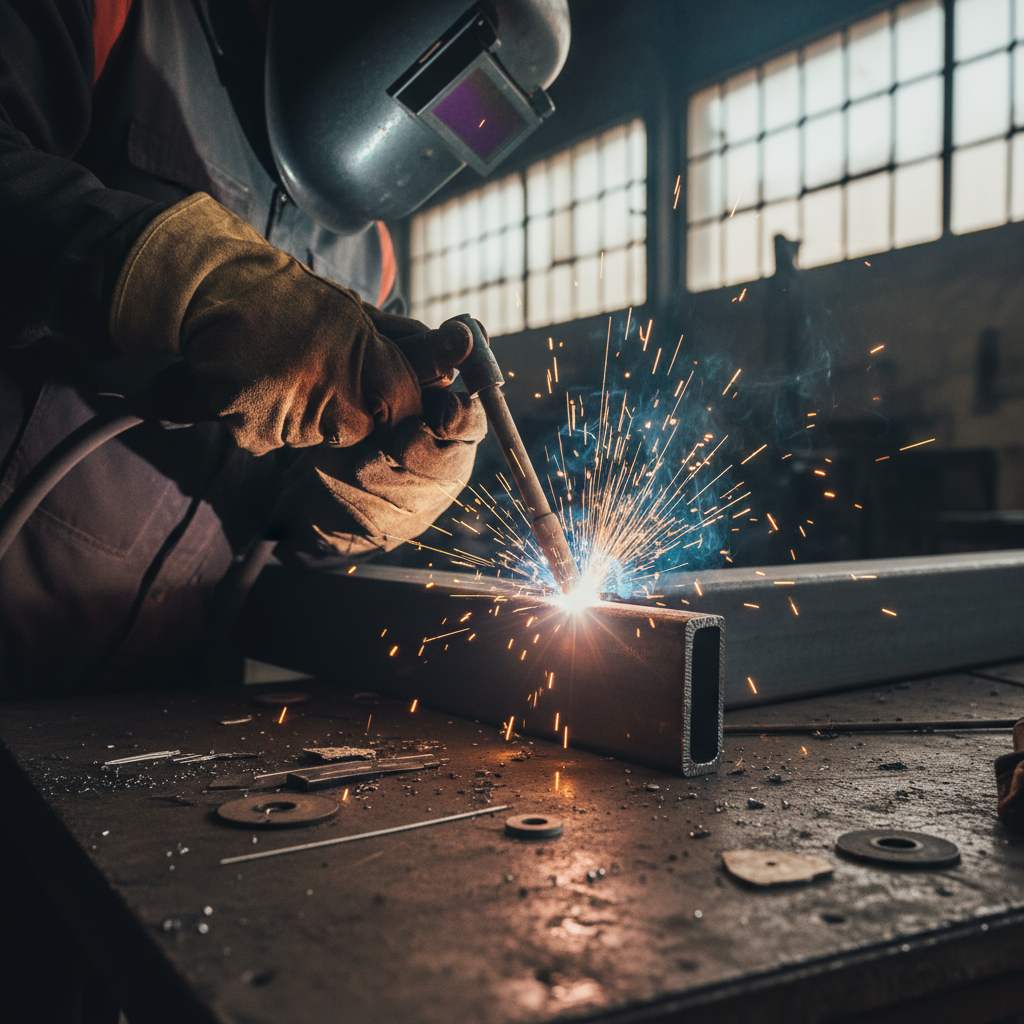
This section of our welding consumables guide stick electrodes MIG wire hardfacing rods contractors farmers 2026 breaks down the three most common electrodes found in a professional's truck. Selecting the right rod requires understanding the chemical composition of the flux and how it interacts with both your power source and the base metal.
E6010 is known as the digging rod. It utilizes a high-cellulose coating that creates a forceful, deeply penetrating arc capable of burning through heavy rust, oil, and multiple layers of implement paint. It is a fast-freeze rod, meaning the puddle solidifies quickly, making it ideal for out of position work and root passes on pipe. However, 6010 is strictly a Direct Current (DC) electrode. If you try to run it on an Alternating Current (AC) buzz box, the arc will extinguish every time the current cycles through zero.
E6011 is the versatile alternative for those running AC equipment. It provides the same deep penetration and fast-freeze characteristics as 6010 but includes potassium in the flux to stabilize the arc on AC machines. For farmers using older transformer-based welders, 6011 is the go-to for structural repairs on gates, trailers, and chassis where grinding back to bare metal isn't always feasible.
E7018 stands in stark contrast as the low-hydrogen structural powerhouse. It offers a smooth, quiet arc and produces welds with high impact strength and crack resistance. Unlike the cellulose rods, 7018 requires a clean surface. A common technical question in the field is why you cannot run 7018 downhill. The answer lies in the heavy, fluid slag characteristic of low-hydrogen rods. If you attempt a vertical-down weld, the molten slag will outrun the weld puddle and become trapped behind the bead. This results in slag inclusions, which are structural voids that will fail under stress.
Application | Material Condition | Recommended Rod |
|---|---|---|
Deep penetration/Root pass (DC only) | Rusty, painted, or greasy steel | E6010 |
General field repair (AC or DC) | Dirty or oxidized steel | E6011 |
Structural/Code welding | Clean, prepped mild steel | E7018 |
High-strength fabrication | Clean thick-gauge plate | E7018 |
Sourcing premium industrial tools through a direct model ensures these consumables meet the rigorous standards required for 2026 infrastructure and agricultural projects. When the integrity of a bridge bracket or a tractor hitch is on the line, the chemical consistency of your electrode is your primary insurance policy against failure.
MIG Wire Selection: Maximizing Shop Efficiency and Speed
Transitioning from the rugged portability of stick welding to shop-based fabrication requires a shift toward Gas Metal Arc Welding (MIG) to maximize throughput. In this welding consumables guide stick electrodes MIG wire hardfacing rods contractors farmers 2026, efficiency is found in the wire choice. ER70S-6 is the primary choice for mild steel fabrication because of its specific chemical composition. The higher levels of silicon and manganese in ER70S-6 act as deoxidizers; these elements help the weld puddle flow better and tolerate light surface mill scale or flash rust that might otherwise compromise a weld. This reduces the amount of time your crew spends on aggressive grinding before the first arc is struck.
Wire Diameter | Typical Application | Material Thickness |
|---|---|---|
.030" | Light brackets, sheet metal | 22 gauge to 1/8" |
.035" | Trailer repair, general fabrication | 1/8" to 3/8" |
.045" | Heavy equipment, structural plate | 1/4" and thicker |
For projects that sit between the speed of a shop and the environmental challenges of the field, flux-cored arc welding (FCAW) acts as a vital bridge. Gas-shielded flux-core offers exceptionally high deposition rates for heavy structural work; meanwhile, self-shielded flux-core allows for wire-fed speed in outdoor conditions where shielding gas would be blown away by the wind. Staying updated with the latest news for contractors helps teams decide when to transition from standard spools to larger wire drums to further drive down the cost per pound of filler metal. By sourcing premium industrial tools through a direct distributor model, your shop can maintain a stock of high-quality wire that feeds consistently, preventing the bird-nesting and contact tip wear that often plagues cheaper, retail-grade alternatives.
Hardfacing Rods: Extending the Life of Agricultural and Construction Equipment
In 2026, the rising cost of replacing ground-engaging tools has reached a point where reactive repair is no longer a viable business model. Hardfacing serves as a proactive maintenance strategy to combat the extreme abrasive wear caused by the rocky, sandy soils frequently encountered across Arizona. This process involves applying a specialized layer of wear-resistant alloy to the surfaces of equipment that take the most abuse, such as plow shares, tillage tools, and excavator bucket teeth. When using this welding consumables guide stick electrodes MIG wire hardfacing rods contractors farmers 2026, it is important to view hardfacing as an investment in equipment longevity rather than an emergency fix.
A frequent technical question encountered in the field is whether a standard E7018 rod can be used for hardfacing. The answer is a definitive no. While E7018 is an exceptional structural rod, its primary characteristic is ductility; it is designed to flex rather than crack under load. This makes it far too soft to resist the abrasive forces of soil and rock. For effective protection, you must use specialized rods, typically those high in chromium carbides. These rods create a surface that is significantly harder than the base metal, often reaching 55 to 60 on the Rockwell C scale, which allows the tool to maintain its edge and efficiency.
Layer Type | Purpose | Common Filler Type |
|---|---|---|
Build-up | Restores original dimensions to worn parts | Low-alloy steel (matches base metal) |
Hardfacing | Provides final wear-resistant armor | Chromium-carbide or Tungsten-carbide |
Understanding the distinction between build-up and hardfacing is critical for a successful application. If a bucket tooth or tillage sweep has lost significant material, you first use a build-up rod to return the part to its original shape. Hardfacing alloys are generally brittle; if you apply a thick layer of hardfacing directly to a heavily worn edge without a proper base, the material may spall or flake off under impact. Sourcing premium industrial tools through the right channels allows you to keep both build-up and hardfacing rods in stock. Learning more about Harrison Hunter Industrial Supply shows how we provide these professional-grade alloys directly to the end user, ensuring your equipment stays sharp and stays in the dirt longer.
Critical Storage: Protecting Your Consumables from Arizona Humidity and Dust
Maintaining your inventory as outlined in this welding consumables guide stick electrodes MIG wire hardfacing rods contractors farmers 2026 requires more than just a shelf in the shop. Even in the arid climate of Scottsdale, moisture management remains a technical necessity for structural integrity. Low-hydrogen electrodes like E7018 are highly hygroscopic; the flux coating chemically attracts and holds atmospheric moisture. Once these rods absorb moisture, the arc breaks down the water into hydrogen, which enters the weld pool and causes underbead cracking or porosity. This contamination ensures the weld will fail X-ray or structural tests.
Professional contractors should utilize a dedicated welding rod oven maintained between 250°F and 300°F to keep E7018 rods in a dry state. For farmers or mobile repair crews, airtight storage tubes with rubber gaskets provide a secondary line of defense for field transport, but they cannot replace an oven once a factory-sealed tin is opened.
Consumable Type | Primary Threat | Recommended Storage |
|---|---|---|
E7018 (Low-Hydrogen) | Atmospheric Moisture | Heated rod oven (250°F+) |
E6010 / E6011 | Over-drying | Cool, dry area in original containers |
MIG Wire (ER70S-6) | Fine Dust / Oxidation | Enclosed feeders or plastic spool covers |
Dust poses a different but equally severe threat to shop productivity. In Arizona, fine grit settles on exposed MIG wire spools, where it is carried into the drive rolls and liner. This buildup increases friction, leading to bird-nesting and arc instability. Protecting premium industrial tools requires keeping spools covered or inside enclosed wire feeders. Following the latest news for contractors helps teams implement these preventative storage protocols to avoid costly downtime and material waste.
The Harrison Hunter Advantage: Direct Access to Professional Grade Filler Metals
Sourcing filler metals through traditional retail channels often adds unnecessary cost layers that erode your bottom line. Harrison Hunter Industrial Supply LLC operates on a direct model; we remove the distributor markup that typically inflates the price of shop essentials. This welding consumables guide stick electrodes MIG wire hardfacing rods contractors farmers 2026 highlights that high-quality filler metals are a necessity, not a luxury.
By providing premium industrial tools and consumables at distributor pricing, we ensure that Arizona businesses in Scottsdale and beyond can access the same professional-grade materials used by major industrial manufacturers. Our focus remains on the men and women who build our infrastructure and feed our nation. We provide the technical support and inventory reliability required to keep your projects on schedule. You can read the latest news for contractors to stay informed on supply chain shifts, or learn more about Harrison Hunter Industrial Supply to see how our straightforward approach to sourcing simplifies your procurement process while protecting your profit margins in an increasingly expensive market.
Selecting the right stick electrodes, MIG wire, and hardfacing rods is essential for maintaining equipment longevity through 2026. Whether you are managing a farm or a construction site, the right consumables reduce downtime and improve overall weld quality. If you want expert help navigating these technical choices, we are ready to assist with tailored recommendations for your specific needs. You can learn more about our commitment to quality service on our About page, where we outline how we support local contractors and agricultural professionals.