When choosing abrasives for metal fabrication, select ceramic alumina for aggressive stock removal and aluminum oxide for general-purpose projects. A 60-grit ceramic flap disc is recommended for standard welding tasks, while finer grit resin fiber discs are ideal for light deburring and finishing.
In the workshop or out in the field, a poor choice in abrasives quickly turns a profitable project into a costly headache. You have likely experienced the frustration of a disc glazing over prematurely or a grain that simply cannot bite into hardened steel. These setbacks represent more than just lost time; they are direct drains on your operational efficiency and final product quality. Choosing the right tool for the job is a fundamental skill that separates professional fabricators and resourceful farmers from the rest. This guide examines the critical variables of abrasive selection. We will break down grain chemistries like ceramic and zirconia, explain how to match grit to specific tasks, and provide strategies for handling challenging materials like stainless steel. By the end, you will understand how to optimize your workflow and secure better results from every cut and grind.
Why Abrasive Selection is a Profitability Decision
Successful metalworking in the field or shop depends on a calculation that many buyers overlook. The true cost of choosing abrasives for metal fabrication is rarely found on the invoice; instead, it is measured in the labor hours required to move from a raw weld to a finished surface. For Arizona contractors managing tight project deadlines and farmers maintaining heavy equipment during peak harvest, time is the most expensive resource on the books.
Picking an inferior or incorrect disc often results in heat tint, which requires additional chemical cleaning or mechanical grinding to remove. It can also lead to surface contamination that compromises the structural integrity of the metal. These avoidable mistakes translate directly into wasted hours and higher overhead. At Harrison Hunter Industrial Supply LLC, we focus on maximizing your shop’s efficiency by providing premium industrial tools and abrasives that perform under the most demanding conditions.
Our philosophy is straightforward: we deliver professional grade gear directly to the job site. By eliminating the middleman retail markups typically found in standard industrial tool supply services, we ensure that high performance materials remain accessible. This direct approach allows us to put the highest quality grains in your hands, ensuring your projects are completed faster and with superior results. If you need specialized guidance on your inventory, you can contact Harrison Hunter Industrial Supply to discuss your specific operational needs.
The Core Four: Understanding Abrasive Grain Materials
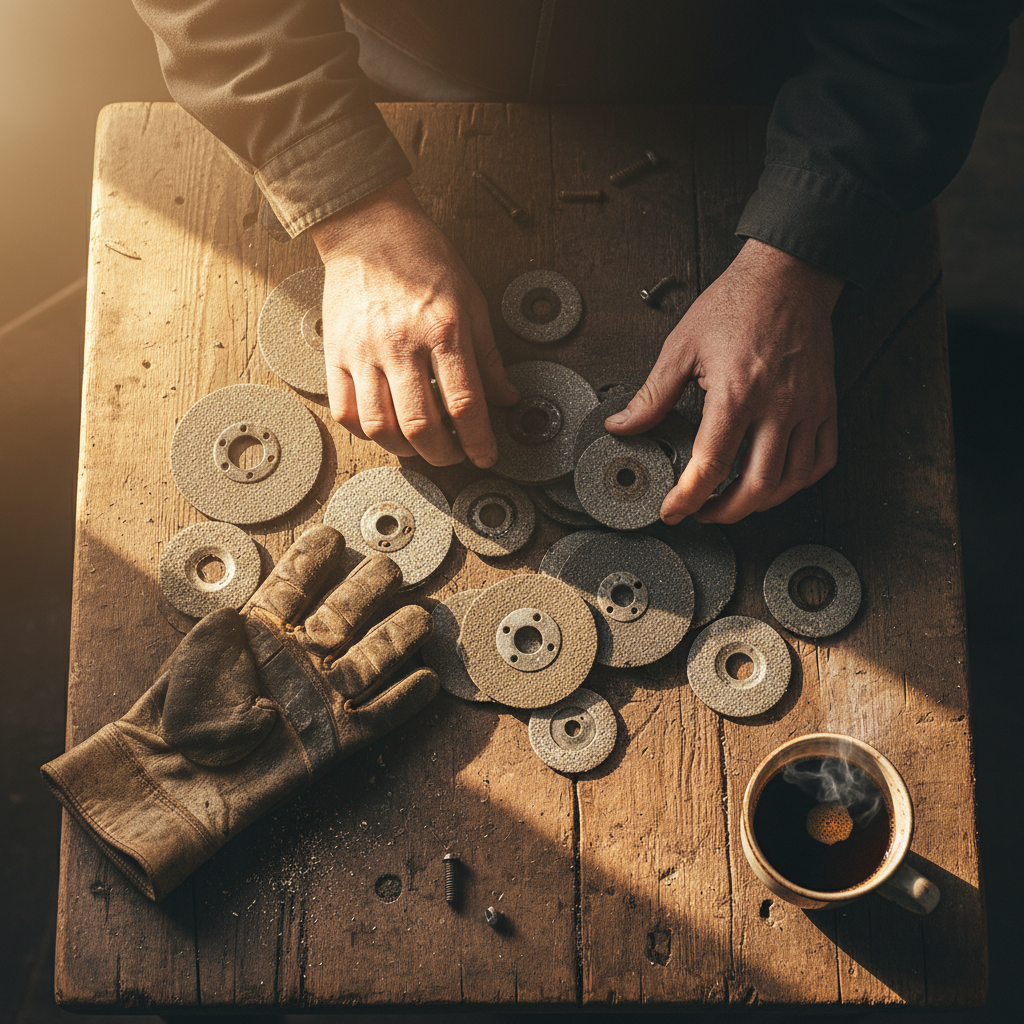
The performance of any grinding or sanding tool is fundamentally defined by the mineral grain bonded to its surface. To master choosing abrasives for metal fabrication, you must understand how these grains interact with different alloys under heat and pressure. Most industrial applications rely on four primary materials, each suited to specific metals and removal rates.
Aluminum Oxide: This is the most common and cost effective grain. It is a versatile choice for general purpose grinding on carbon steel and low alloy steels. While it lacks the extreme durability of newer synthetics, its affordability makes it a practical option for smaller shops or infrequent repair tasks where high volume productivity is not the primary driver.
Zirconia Alumina: Often called the workhorse of the industry, Zirconia is a high performance alloy of aluminum oxide and zirconium oxide. It excels in high pressure grinding applications. Its durability makes it superior to standard aluminum oxide for heavy weld removal and rugged field repairs on agricultural machinery.
Ceramic Alumina: As the premium choice for modern fabrication, ceramic grains are engineered for maximum productivity. They are particularly effective on stainless steel and other hard to grind alloys. The primary advantage of ceramic is its micro crystalline structure, which allows it to stay sharp throughout its entire lifespan.
Silicon Carbide: This grain is both incredibly hard and sharp, but it is also more brittle than the others. It is the essential choice for non ferrous metals like aluminum, brass, and copper. It prevents the clogging issues that often occur when using other grains on softer, stickier metals.
The concept of friability is central to why professional fabricators often prefer ceramic despite the higher price point. Friability refers to the way an abrasive grain fractures under stress. While cheap grains might round over and become dull, a friable grain like ceramic breaks away in small, controlled fragments to reveal a new, razor sharp edge. This self sharpening mechanism ensures the tool continues to cut efficiently rather than generating excessive friction. In the long run, the reduced labor time and longer disc life of premium industrial tools and abrasives far outweigh the initial savings of budget alternatives.
Matching Grit and Geometry to the Task
Once you have identified the proper grain, the next step in choosing abrasives for metal fabrication involves selecting the correct grit size and disc geometry. These specifications determine the rate of material removal and the final surface profile. Grit numbers represent the size of the abrasive particles; lower numbers indicate larger, coarser grains for aggressive cutting, while higher numbers indicate smaller grains for refining the metal.
Grit Range | Primary Application | Expected Outcome |
|---|---|---|
24 to 36 | Heavy Stock Removal | Rapid weld leveling and removing heavy scale or rust. |
40 to 60 | General Purpose | Blending welds and removing surface imperfections. |
80 and above | Finishing | Preparing surfaces for paint, powder coating, or final inspection. |
Beyond the grit, the physical shape of the disc, known as its geometry, dictates how the tool interacts with the workpiece. Flap discs are typically available in two primary configurations. Type 29 conical discs feature a built in angle that allows for more surface contact during high pressure grinding. This geometry is superior for aggressive contouring and removing large welds on heavy agricultural machinery or structural steel.
Conversely, Type 27 flat discs are the preferred choice for smooth blending on flat surfaces. Because they sit flush against the metal, they provide a more controlled finish and reduce the risk of gouging. For Scottsdale area infrastructure projects where aesthetic consistency is vital, or for a farmer repairing a flat gate frame, the Type 27 offers the precision needed for a professional result. Using premium industrial tools and abrasives with the correct geometry ensures you are not fighting the tool to achieve the desired finish.
Application Guide: From Heavy Stock Removal to Final Finish
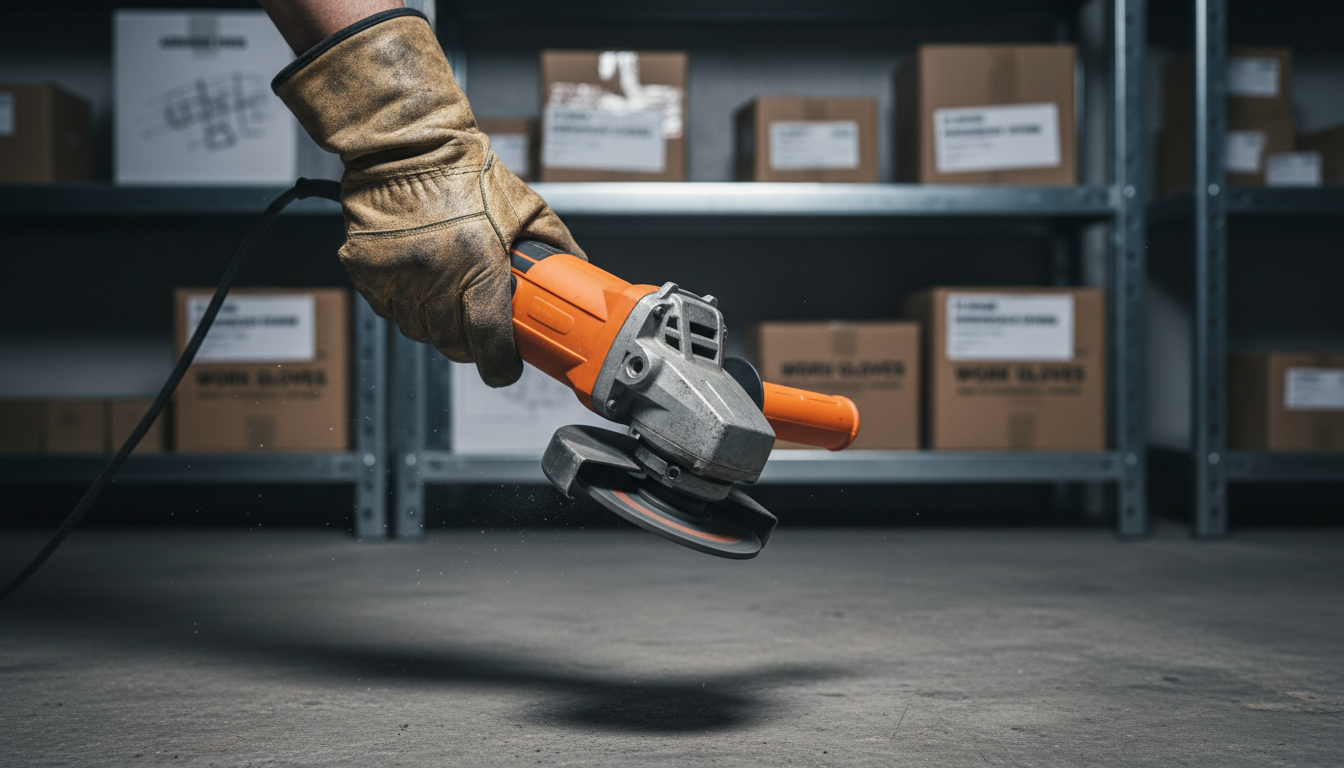
Applying the right sequence of premium industrial tools and abrasives transforms a rough weld into a professional surface without wasting materials. A standard fabrication workflow begins with weld leveling. At this stage, the goal is to remove the crown of the weld quickly; a 36 grit ceramic flap disc or a traditional bonded grinding wheel provides the necessary aggression. Ceramic is particularly effective here because it maintains a high cut rate under consistent use, which is critical for Scottsdale contractors working on heavy equipment repairs or structural steel.
Once the weld is flush, the process shifts to blending and refining. Switching to a 60 grit zirconia disc helps smooth the deep scratches from the leveling phase and blends the weld seam into the surrounding base metal. This mid range grit offers the balance of durability and surface quality required for general purpose agricultural maintenance. The final phase is finishing, where the objective is to create a uniform surface profile. Resin fiber discs or non woven surface conditioning discs are the preferred choices to prepare the metal for paint or powder coating.
A critical principle in this workflow is to let the tool do the work. This is especially true when using high performance ceramic grains. Operators often make the mistake of applying excessive pressure to speed up the process. However, pushing too hard generates localized heat that can glaze the abrasive grain or warp the workpiece. In industrial tool supply services, we emphasize that ceramic grains are designed to fracture and self sharpen under moderate, consistent pressure. Forcing the disc actually hinders performance, leading to premature wear and potential surface discoloration. If your crew is burning through discs too quickly, contact Harrison Hunter Industrial Supply to evaluate your technique and product selection.
Special Considerations for Stainless Steel and Aluminum
Fabricating stainless steel requires a level of discipline that goes beyond standard carbon steel work. A common pitfall in Arizona workshops is cross contamination. If you use an abrasive previously used on carbon steel, or one not rated as contaminant free, you risk embedding microscopic iron particles into the stainless surface. This causes the metal to rust despite the material’s high grade. When choosing abrasives for metal fabrication on stainless projects, always verify that the discs are low in iron, sulfur, and chlorine. These premium industrial tools and abrasives are often marked INOX to signify they will not compromise the corrosion resistance of your finished product.
Aluminum requires a different strategy due to its low melting point and tendency to load or clog the abrasive. As the metal heats up, it smears into the gaps between the grains, effectively turning your grinding wheel into a smooth, useless disc. In the dry heat of Scottsdale shops, this loading can happen even faster, leading to wasted materials and stalled productivity. To prevent this, professional fabricators use specialized coatings like stearate or apply topical lubricants to keep the interface cool. These additives create a barrier that prevents the aluminum from bonding to the tool. If you need advice on preventing loading during high volume aluminum work, you can contact Harrison Hunter Industrial Supply to explore our range of industrial tool supply services tailored for non ferrous metals.
Safety and Maintenance: Extending the Life of Your Abrasives
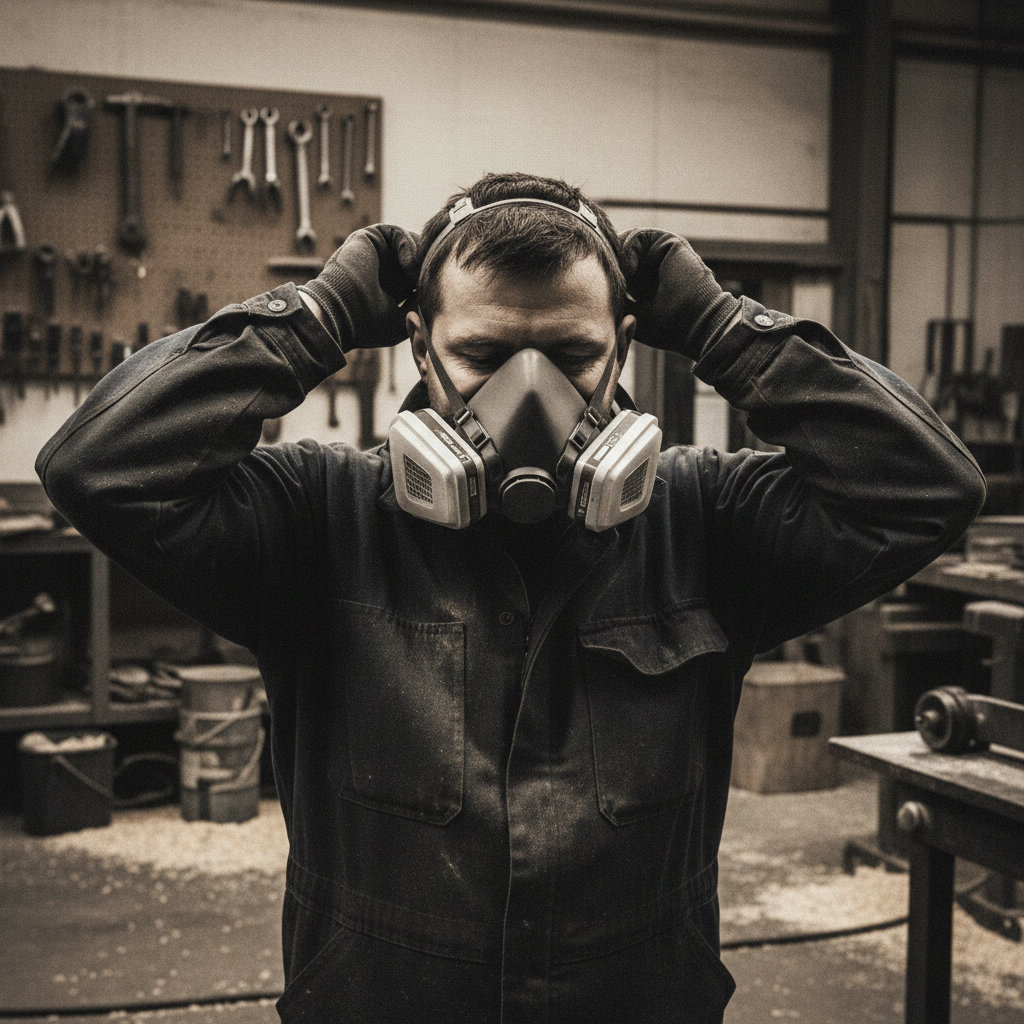
Proper safety protocols are as critical as the selection of the grain itself. When choosing abrasives for metal fabrication, you must verify that the maximum RPM rating of the disc meets or exceeds the operating speed of your power tool. Overspeeding a disc can lead to catastrophic failure and serious injury. Always perform a visual inspection for chips or hairline cracks before mounting any abrasive, as even a dropped disc can develop internal structural weaknesses that are not immediately visible.
In the dusty environment of a Scottsdale workshop, respiratory protection is non-negotiable. Fine metal particulates and abrasive dust pose long term health risks that standard ventilation cannot fully mitigate. Beyond immediate safety, maintenance affects your bottom line. Abrasives are sensitive to environmental factors. High humidity or extreme temperature fluctuations can cause the resin bond in your premium industrial tools and abrasives to become brittle, leading to premature shedding and reduced life.
Store your inventory in a climate controlled space rather than a damp shed or the open bed of a truck. This practice prevents the bond from degrading before the tool ever hits the metal. If you have questions about specific safety ratings or storage best practices for your facility, contact Harrison Hunter Industrial Supply to learn more about our industrial tool supply services.
Sourcing Direct: The Harrison Hunter Industrial Supply Advantage
Harrison Hunter Industrial Supply LLC operates on a model specifically designed to reduce overhead for our clients. By acting as your direct source for premium industrial tools and abrasives, we bypass the traditional retail markup that often inflates costs for local shops and remote farms alike. Our roots in Scottsdale, AZ, provide the foundation for a logistical network that delivers high performance grains and essential safety gear directly to your job site or facility across America.
This streamlined approach ensures that choosing abrasives for metal fabrication is a matter of performance rather than a compromise on budget. We bridge the gap between manufacturer level quality and the daily operational needs of the American contractor. To refine your procurement process or review our current inventory, contact Harrison Hunter Industrial Supply today and experience the efficiency of professional industrial tool supply services.
Selecting the right abrasives is essential for achieving a quality finish while maintaining safety and efficiency on the job. Whether you are working on a large construction site or maintaining equipment on the farm, the right tools make all the difference. If you would like professional guidance to ensure you have the best supplies for your specific projects, you can find out more on our About page. We are here to help you find the perfect solutions for your industrial needs.