New industrial tools tariffs 2026 contractors farmers must navigate will likely increase equipment procurement costs and tighten global supply chains. To mitigate these financial impacts, professionals should prioritize machinery maintenance, explore the growing used equipment market, and adjust capital budgets to account for rising tool prices.
For the modern contractor and farmer, a reliable tool kit is more than a convenience; it is the foundation of every billable hour and every successful harvest. However, the shifting landscape of industrial tool tariffs in 2026 threatens to squeeze your margins further than ever before. Rising import costs and complex global supply chains mean that even domestic brands are not immune to price hikes. This guide examines the reality behind these trade shifts. You will learn why certain "Made in USA" products are still vulnerable to tariff pressures, which specific categories of heavy machinery and hand tools face the steepest increases, and how to adjust your procurement strategy to stay ahead. By mastering inventory management and prioritizing rigorous maintenance, you can protect your bottom line from the volatility of the international market.
The 2026 Trade Landscape: Why Industrial Tool Costs Are Shifting

The 2026 trade landscape reflects a fundamental shift in how we source essential equipment. While the era of runaway inflation has largely subsided, a new normal has emerged, driven by complex tariff structures and a systemic recalibration of global supply chains. For those managing heavy duty projects, these shifts mean that the sticker price on the shelf often reflects geopolitical maneuvers rather than just the cost of raw materials. The stability of the industrial tool supply now depends heavily on navigating these trade barriers efficiently.
Reshoring continues to be a dominant force in the industrial sector. Domestic manufacturing is expanding as companies seek to reduce reliance on volatile foreign markets, yet this transition comes with its own set of growing pains. As factories move back to North America, the availability of specialized industrial tools can be inconsistent while new production lines scale up. This volatility makes it essential to work with a distributor that maintains a direct line to reliable stock and understands the nuances of domestic production cycles.
The outlook for 2026 indicates that both construction and agricultural sectors are adopting a more conservative approach to spending. High capital costs for new machinery are driving a surge in maintenance and equipment longevity strategies. Instead of purchasing new tractors or excavators, many operators are choosing to invest in high performance abrasives and professional-grade safety supplies needed to keep their current fleets running safely and efficiently. Understanding the impact of industrial tools tariffs 2026 contractors farmers must navigate is the first step in protecting your bottom line against these shifting costs and ensuring that your gear outlasts the current economic cycle.
Why 'Made in USA' Tools Aren't Always Tariff-Proof
A common misconception among professionals is that choosing domestic brands provides a total shield against trade volatility. While a tool might be assembled in a Midwestern factory, the supply chain feeding that assembly line is often global. Most premium domestic brands operate under a "Made in the USA with Global Materials" model. This means that even if the final labor happens on American soil, the internal components remain subject to the same industrial tools tariffs 2026 contractors farmers are currently monitoring.
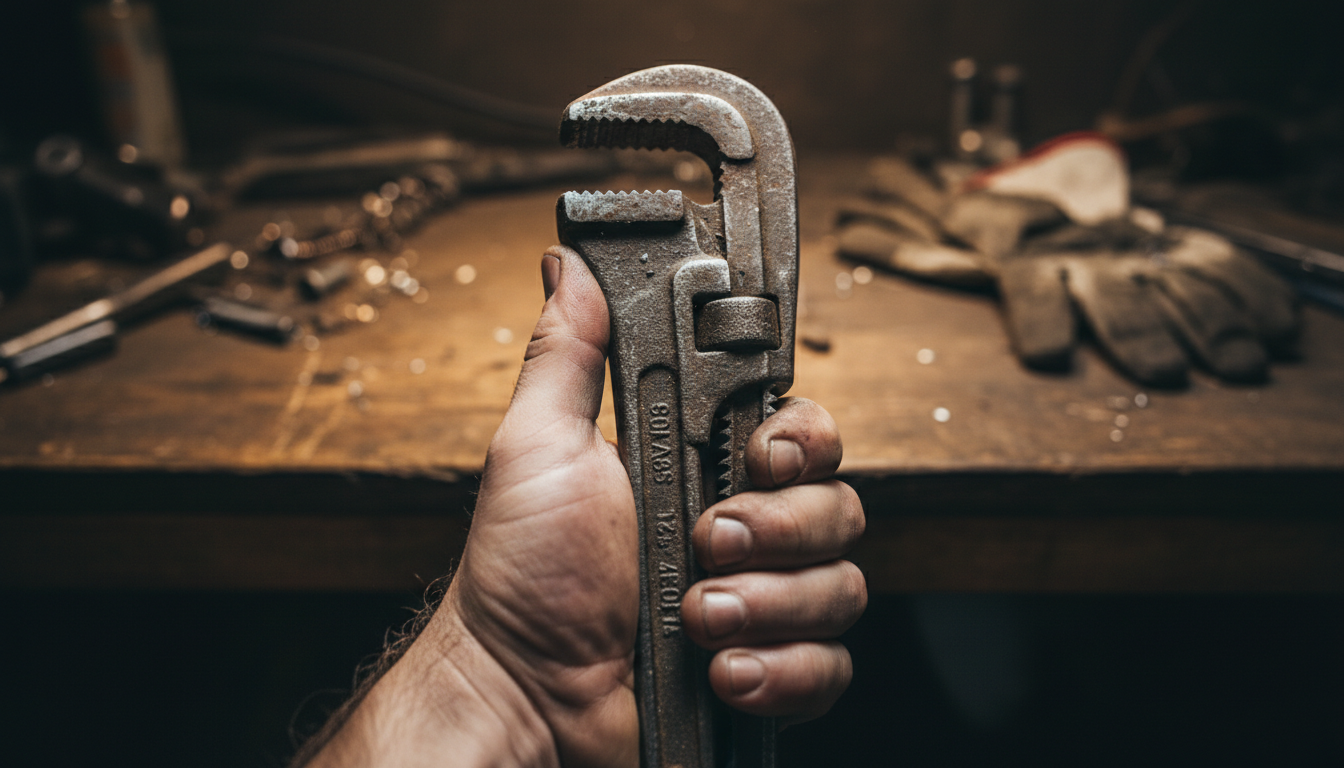
Raw material costs are the primary driver of this price creep. Heavy-duty tools are fundamentally built on steel and aluminum. When duties on these base metals rise, every domestic forge and casting house sees an immediate spike in overhead. A wrench forged in the United States using imported high-carbon steel becomes more expensive to produce than one made entirely from domestic ore, which is often in short supply as reshoring efforts scale. These costs do not vanish at the border; they are baked into the wholesale price before the tool even reaches the industrial tool supply network.
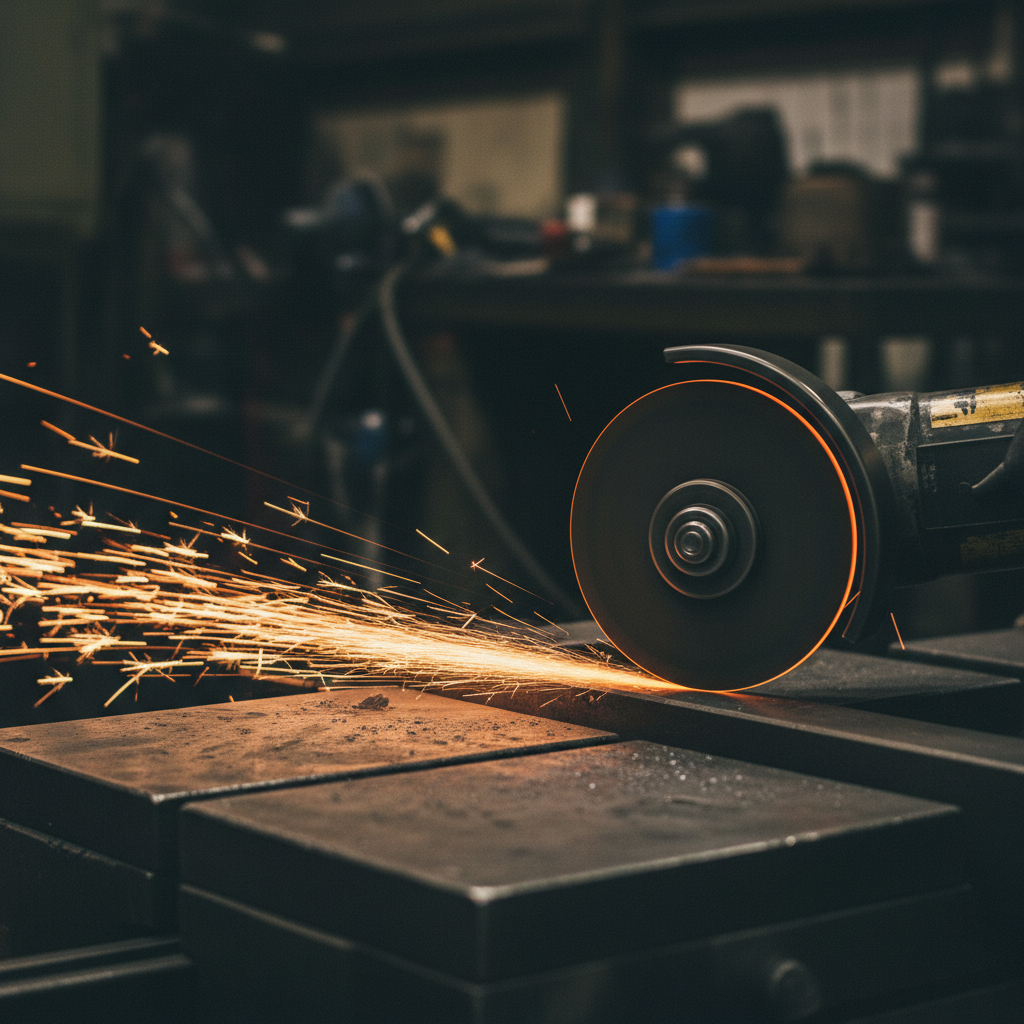
Power tools and abrasives present even more complexity. A single high-performance impact driver contains a motor with copper windings, rare-earth magnets, and intricate circuit boards. These components often cross multiple borders for specialized processing or sub-assembly before reaching a domestic facility. Similarly, the specialized polymers used in professional-grade safety supplies or the resins in high-speed grinding discs are frequently sourced from international petrochemical hubs. Each time a component crosses a line, it is susceptible to new duty structures. By the time the final product is boxed, the cumulative impact of these global touchpoints can negate the price stability typically associated with domestic manufacturing. Understanding this interconnectedness is vital for budgeting, as it proves that domestic labels are not a catch-all solution for avoiding trade-related price hikes.
Which Industrial Tools are Most Affected by 2026 Tariffs?
The 2026 trade environment highlights specific vulnerabilities within your tool trailer or farm shop. Data from recent economic reports suggests that duties on capital equipment and high-performance gear are fluctuating within the 15% to 25% range. For an industrial tool supply operation, these percentages represent a significant overhead increase that must be factored into every project bid and seasonal budget.
Power tools, particularly cordless drills and high-torque impact drivers, face some of the steepest price hikes. These units rely on complex electronics, copper windings, and high-strength magnets that are often produced in regions hit hardest by current trade policies. Because motor technology is so globally integrated, even the most robust domestic brands are forced to adjust pricing to account for these sub-component duties. This makes the power tool category one of the most volatile sectors for equipment procurement this year.
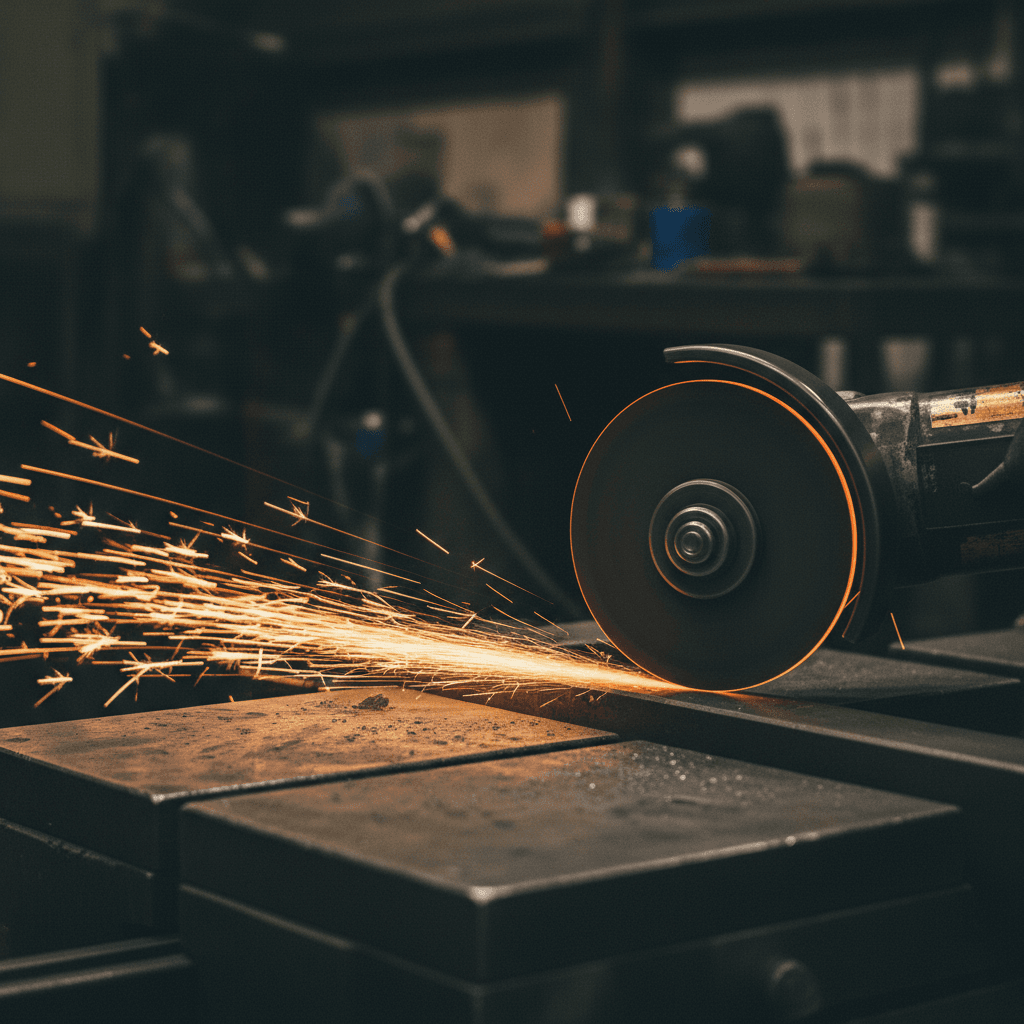
Abrasives and metal-cutting tools are also high-risk categories. High-speed grinding discs, carbide-tipped saw blades, and drill bits depend on precise blends of steel and ceramic grains. The production of ceramic abrasives is energy-intensive and geographically concentrated; when trade barriers rise, the cost per cut for a contractor increases almost immediately.
Tool Category | Key Driver of Cost Increase | Estimated Duty Impact |
|---|---|---|
Power Tools | Electronics, rare-earth magnets, copper | 20% - 25% |
Abrasives | Ceramics, high-carbon steel, resins | 15% - 18% |
Safety PPE | Polymers, nitrile, specialty fabrics | 15% - 20% |
Protecting your crew also becomes more expensive as professional-grade safety supplies see price adjustments. Respirators and specialized gloves utilize advanced polymers and synthetic fabrics that are susceptible to chemical and textile tariffs. For those tracking how industrial tools tariffs 2026 contractors farmers face will impact their margins, prioritizing these three categories for early procurement or rigorous maintenance is the most practical way to mitigate sudden price spikes before they hit the job site.
Strategic Inventory: What to Stockpile and When to Buy
Navigating the industrial tools tariffs 2026 contractors farmers are facing requires a departure from the "Just-in-Time" procurement models of the last decade. While lean inventory once reduced carrying costs, it now leaves your operation vulnerable to overnight price adjustments and global logistical bottlenecks. A hybrid strategy, where you maintain a six to twelve month reserve of high-turnover consumables, provides a necessary buffer against trade volatility.
When deciding what to stockpile, focus on high-wear items with a long shelf life. These are the tools that will not go obsolete but are guaranteed to see price fluctuations due to their raw material composition:
Abrasives and Cutting Tools: Grinding wheels, flap discs, and carbide-tipped saw blades. These are heavy in steel and specialized ceramics, both of which are primary targets for current duties.
Fasteners and Hardware: Bulk quantities of structural bolts and screws that are essential for project completion.
Safety PPE: Professional-grade safety supplies such as nitrile gloves, N95 respirators, and hearing protection. Because these rely on international polymer and textile markets, they are often the first to see cost increases.
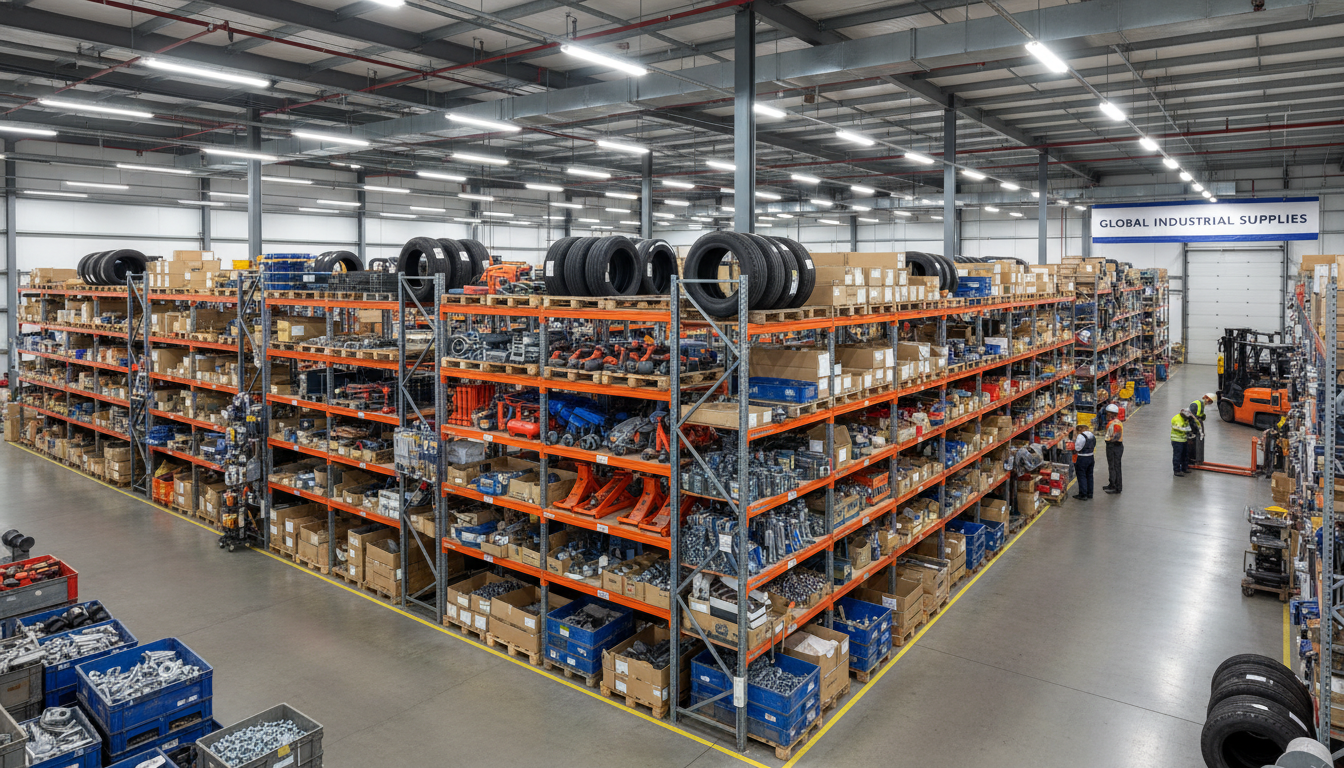
To further mitigate these costs, look for a direct-to-pro industrial tool supply. Traditional retail outlets often add two or three layers of markup on top of the tariffed wholesale price. By sourcing directly from a distributor that delivers straight to the job site or farm, you eliminate the "middleman tax" that otherwise exacerbates the financial impact of trade barriers. This approach keeps your project margins protected even as the broader market fluctuates.
Making Your Current Inventory Last: Maintenance as a Defense Strategy

In the current economic climate, the most cost-effective tool on your job site or farm is the one you already own. As the industrial tools tariffs 2026 contractors farmers face continue to push replacement costs higher, adopting an "Integrated Maintenance Strategy" is the most direct way to protect your ROI. Moving away from a reactive run-to-fail mindset ensures that your current industrial tool supply remains productive for years beyond its standard expected life.
How do farm tools last longer? It begins with proper storage, especially for consumables. Abrasives are highly sensitive to environmental factors. Moisture can degrade the resin bonds in grinding discs and flap wheels, leading to cracking or shattering during use. Store these items in climate-controlled areas or sealed containers to prevent hydration of the bonding agents. For power tools, preventative maintenance on internal components is the key to longevity.
Component | Maintenance Task | Frequency |
|---|---|---|
Motor Brushes | Inspect and replace before they hit the wear line | Every 50-100 hours |
Gear Housings | Clean out old grease and apply fresh lubricant | Quarterly |
Cooling Vents | Blow out dust and debris with compressed air | Weekly |
Power Cords | Inspect for fraying or jacket nicks | Daily |
Regularly clearing debris from vents prevents overheating, which is the primary killer of motor windings. Replacing carbon brushes before they fail protects the commutator from permanent damage. These small, low-cost interventions, combined with the use of professional-grade safety supplies during the maintenance process, ensure your gear survives the 2026 trade volatility.
The Harrison Hunter Approach: Beating the Middleman Markup

Maintenance keeps your current inventory running; however, new procurement eventually becomes unavoidable. This is where the standard retail chain fails the professional. A 20% duty applied at the port of entry does not simply stay at 20% when it reaches the shelf. In the traditional retail model, the cost of the tool is marked up by wholesalers and again by local retailers. Each layer of profit is calculated based on the new, higher landed cost, effectively compounding the financial burden of industrial tools tariffs 2026 contractors farmers are already facing.
Harrison Hunter Industrial Supply LLC operates on a leaner foundation. By providing distributor pricing without unnecessary middlemen, we eliminate the tiered markups that inflate project budgets. We deliver premium tools and professional-grade safety supplies directly to the job site or the farm gate. This direct to pro logistics model allows us to absorb much of the administrative friction that typically drives up prices in a high tariff environment.
Our Scottsdale, Arizona, base gives us a boots on the ground perspective on the needs of the Southwest and beyond. We understand that selecting a specific abrasive or power tool is not just about the brand; it is about finding the equipment that yields the highest ROI for your specific application. To find a more efficient path for your industrial tool supply, contact our team to discuss current inventory and pricing strategies.
Navigating the upcoming 2026 industrial tool tariffs requires a proactive approach to budgeting and inventory management. While the shifting economic landscape poses challenges for both contractors and farmers, staying informed ensures your operations remain profitable. If you find these regulatory changes overwhelming, seeking professional guidance can simplify your procurement strategy. To learn more about our commitment to supporting your business through these transitions, feel free to visit our About page. We are here to help you make informed decisions for your future.