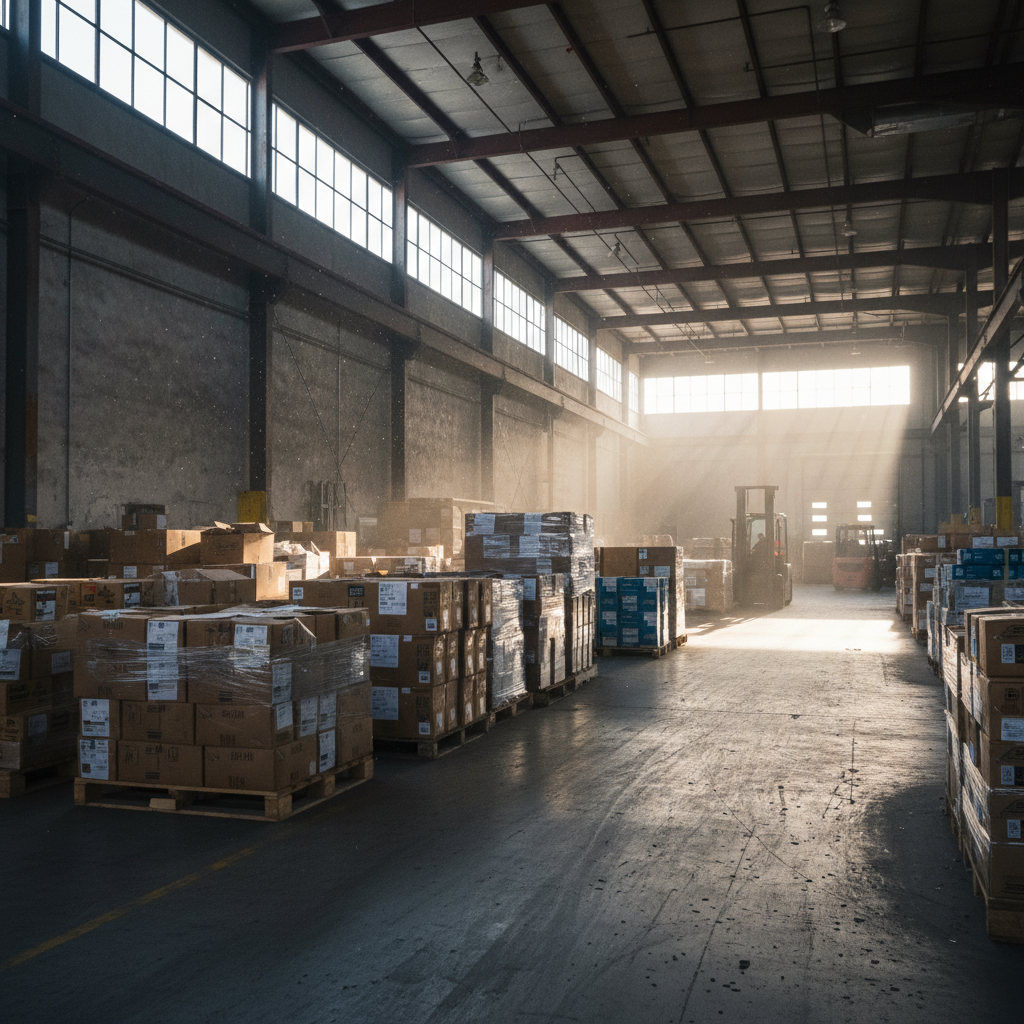
Essential job site safety gear contractors farmers require includes durable head protection, reinforced footwear, and specialized eye and face shields to mitigate common workplace hazards. This comprehensive PPE also encompasses respiratory masks and heavy-duty gloves tailored to handle chemical exposure, heavy machinery, and challenging agricultural or construction environments.
Every minute lost to a preventable injury or a gear malfunction is profit stripped directly from your bottom line. For contractors and farmers, safety equipment is not merely a compliance requirement; it is the fundamental infrastructure of a productive job site. When you are managing high-stakes projects in demanding environments, the difference between a minor incident and a project-stopping accident often comes down to the quality of your personal protective equipment. At Harrison Hunter Industrial Supply, we understand that durability and reliability are non-negotiable. In this guide, we provide a direct breakdown of the core essentials for head, eye, and respiratory protection. You will learn how to select task-specific hand protection, manage the unique risks of the Arizona heat, and streamline your inventory maintenance to ensure your team remains safe and your operations remain efficient.
Why Practical Safety Gear Matters for the Modern Job Site
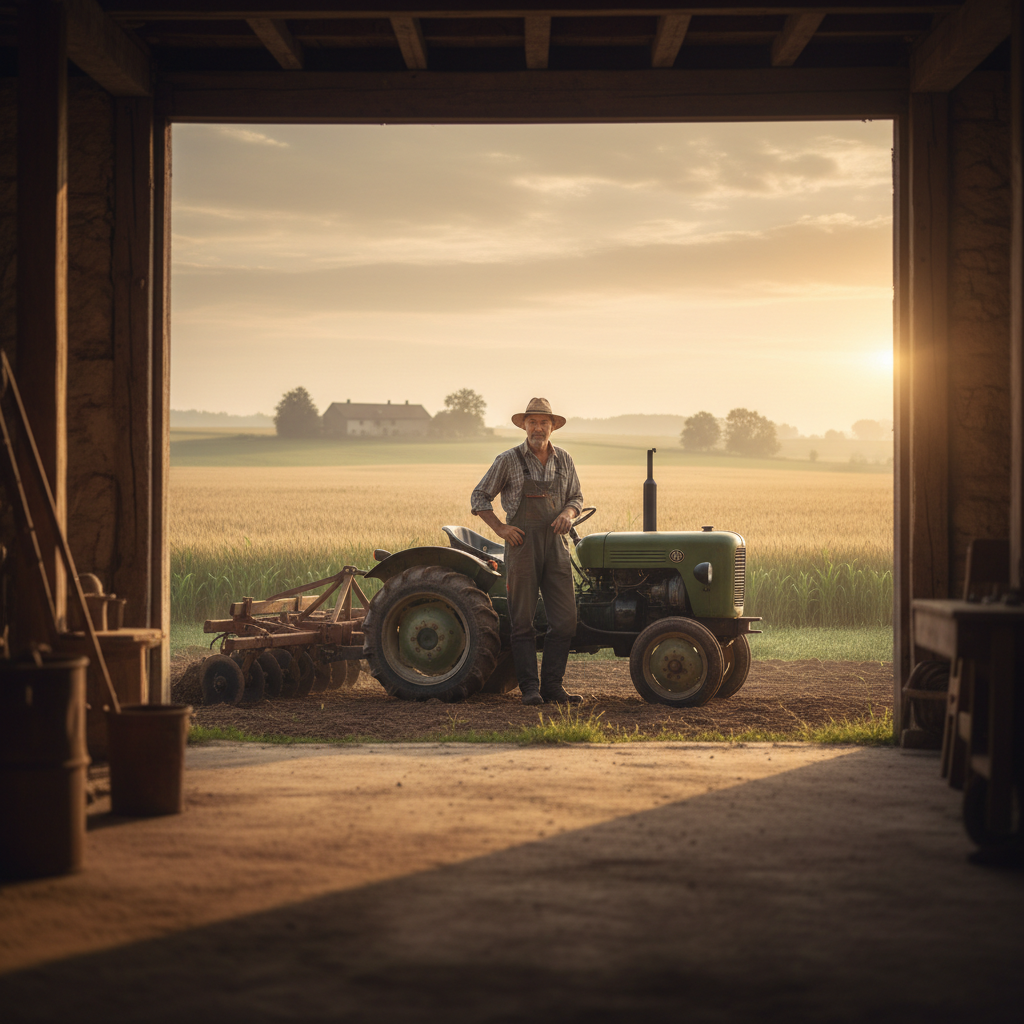
In the demanding landscapes of the Southwest, safety is more than a regulatory requirement; it is a fundamental strategy for career longevity. Commercial contractors and hardworking farmers face distinct but equally hazardous environments, from the heavy machinery of a Scottsdale construction site to the dust-choked fields of a rural agricultural operation. Maintaining high standards for essential job site safety gear contractors farmers rely on is the only way to ensure that a minor incident does not become a career-ending injury.
The Arizona climate introduces specific stressors that generic safety equipment often fails to address. Extreme heat, fine desert dust, and rugged, uneven terrain demand gear that offers both protection and breathability. When safety equipment is uncomfortable or fails under the sun, it often gets left in the truck, leaving the worker vulnerable. True safety is about staying in the game for the long haul.
Harrison Hunter Industrial Supply LLC operates on a no middleman philosophy to solve the conflict between cost and quality. By providing direct industrial tool supply at distributor pricing, we help businesses bypass the retail markup. This straightforward approach allows owners to prioritize professional-grade gear that actually lasts. Investing in better equipment ensures that your crew remains productive and protected, keeping the focus on the job at hand rather than the risks of the environment.
The Core Essentials: Head, Eyes, and Ears
Foundational protection begins with the most vulnerable areas: the head, eyes, and ears. While big-box retailers offer generic solutions, professional-grade gear is designed for the specific mechanical and environmental stresses of active production environments. Selecting the right essential job site safety gear contractors farmers need involves understanding technical ratings rather than just picking a color.
Head protection is categorized by the direction of impact it can withstand. Type I hard hats are engineered to reduce the force of impact resulting from a blow only to the top of the head. In contrast, Type II hard hats include high-density foam liners and are designed to reduce the force of impact from the top, front, back, and sides. Regardless of the type, the suspension system inside the hat is what actually absorbs the energy of an impact. This suspension must be inspected daily; if the plastic straps are brittle from UV exposure or the webbing is frayed, the hat will fail to protect the skull during a strike.
Eye protection must meet the ANSI Z87.1 standard to ensure it can withstand high-velocity impacts. In the Southwest, heat and fine silt make anti-fog coatings a requirement rather than a luxury. When moving from an air-conditioned cab into the humid morning air or working through a dusty Arizona afternoon, standard lenses often cloud over. This leads to the dangerous habit of removing glasses to see better. High-quality industrial lenses use permanent coatings that remain effective after repeated cleanings, unlike the temporary sprays found on consumer-grade options.
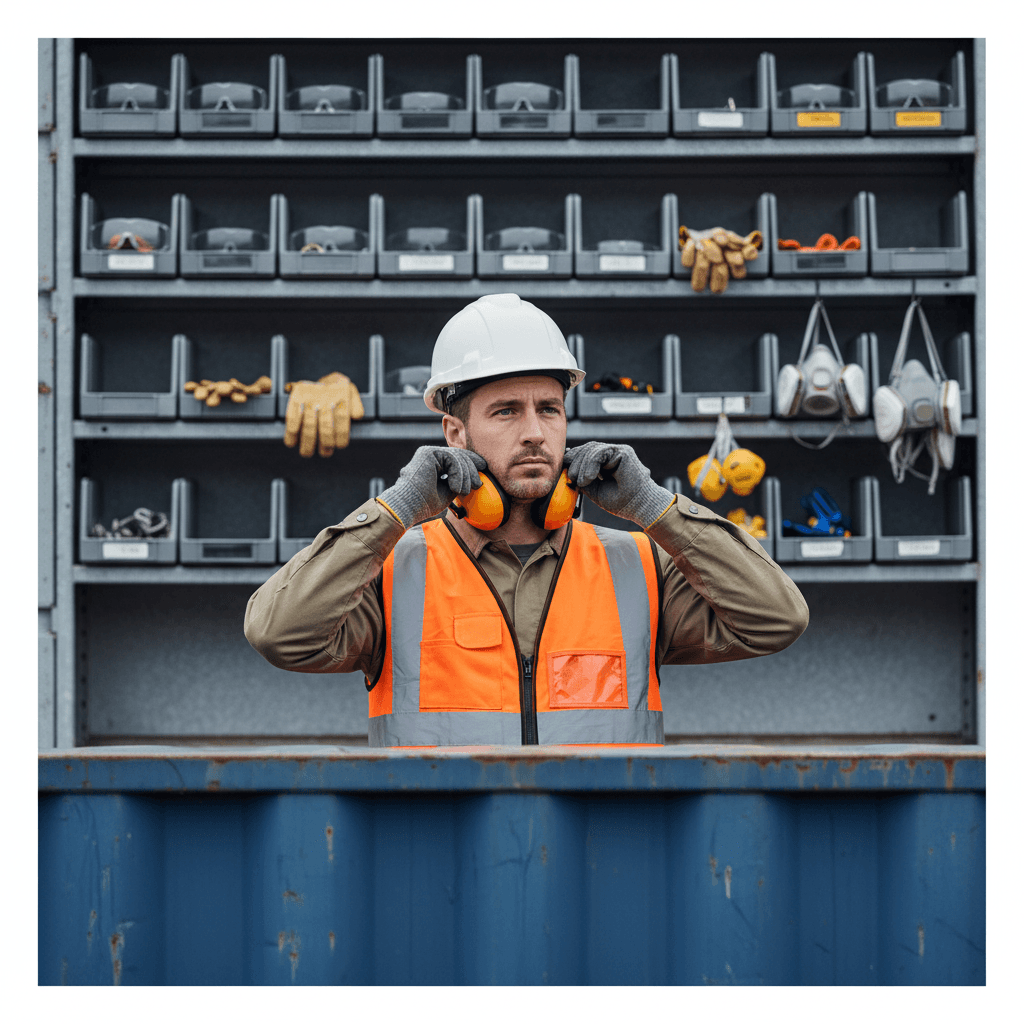
Hearing protection is measured by its Noise Reduction Rating (NRR). The choice between disposable foam plugs and earmuffs depends on the noise profile. Continuous, high-decibel environments, such as operating a grain dryer on a farm, may be best served by high-NRR foam plugs that provide a deep seal. For intermittent tasks, like using a jackhammer on a site, earmuffs allow for quick removal during communication. Industrial-grade hearing protection offers more consistent attenuation than budget alternatives, ensuring that long-term auditory health is preserved through years of heavy equipment operation.
Respiratory Protection for Dust, Mold, and Chemicals
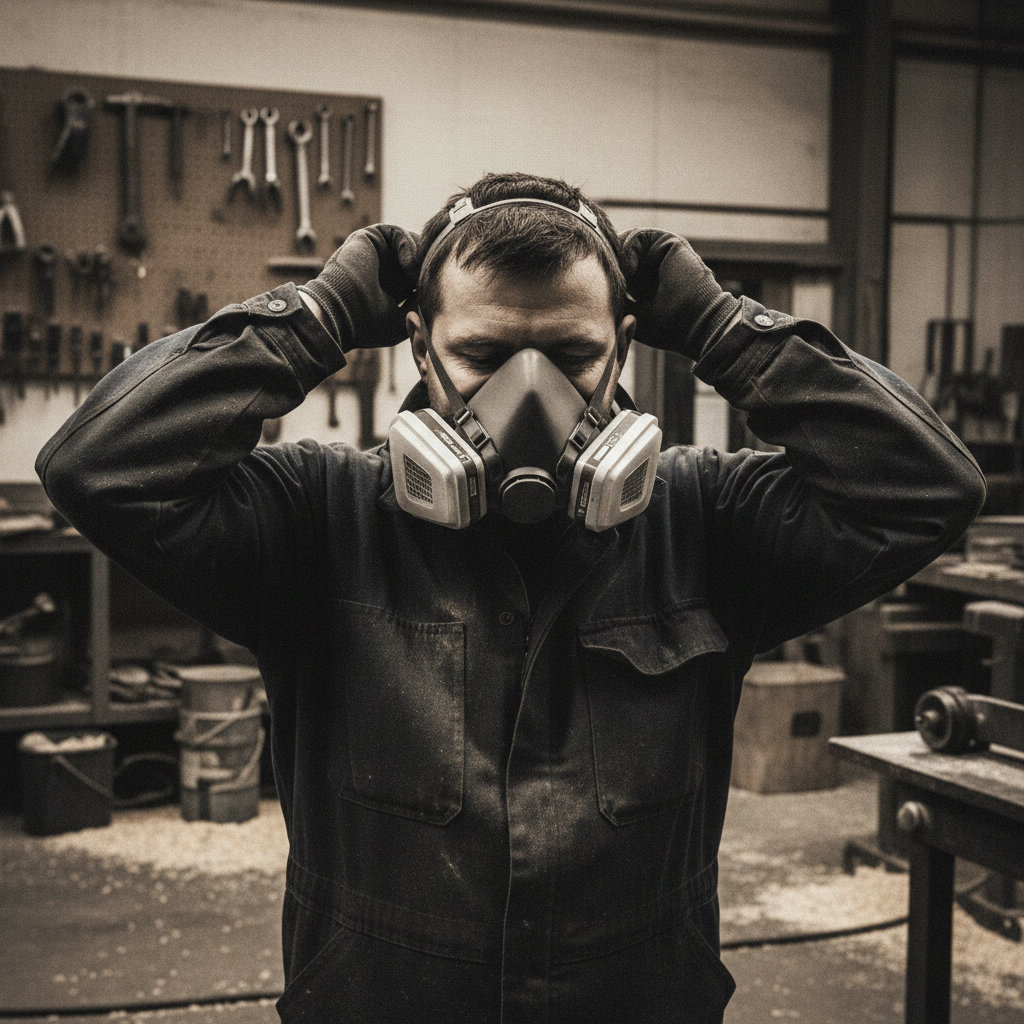
Protecting the lungs requires shifting focus from impact resistance to filtration efficiency. While the hazards differ between a field and a foundation, the physiological risk remains the same. Farmers frequently encounter biological threats like mold spores from damp feed, grain dust during harvest, and organic vapors during pesticide application or manure management. In contrast, contractors deal with the long term dangers of crystalline silica dust from concrete cutting and the fine, pervasive particulates of drywall finishing. Selecting the right essential job site safety gear contractors farmers need depends entirely on the particle size and chemical nature of these contaminants.
Filtration devices are generally split into two categories: disposable and reusable. A standard N95 mask is designed for particulate matter and is sufficient for many dust heavy tasks, but it provides no protection against gases or vapors. For chemical handling or heavy duty solvent use, a reusable half face respirator with interchangeable cartridges is the industrial standard. These cartridges are color coded to indicate protection against specific threats, such as organic vapors or acid gases.
The effectiveness of any respirator is negated by a poor seal. Fit testing is a critical step in any safety program, as even minor facial hair or an incorrect mask size creates a path of least resistance for contaminated air to bypass the filter. Harrison Hunter Industrial Supply LLC streamlines the acquisition of these systems by providing direct industrial tool supply to the Scottsdale area and beyond. By eliminating the middleman, we ensure that contractors and farmers can afford to replace saturated filters and worn out masks exactly when the manufacturer recommends it, rather than stretching the life of a spent cartridge to save on costs.
Hand Protection: Selecting the Right Glove for the Task
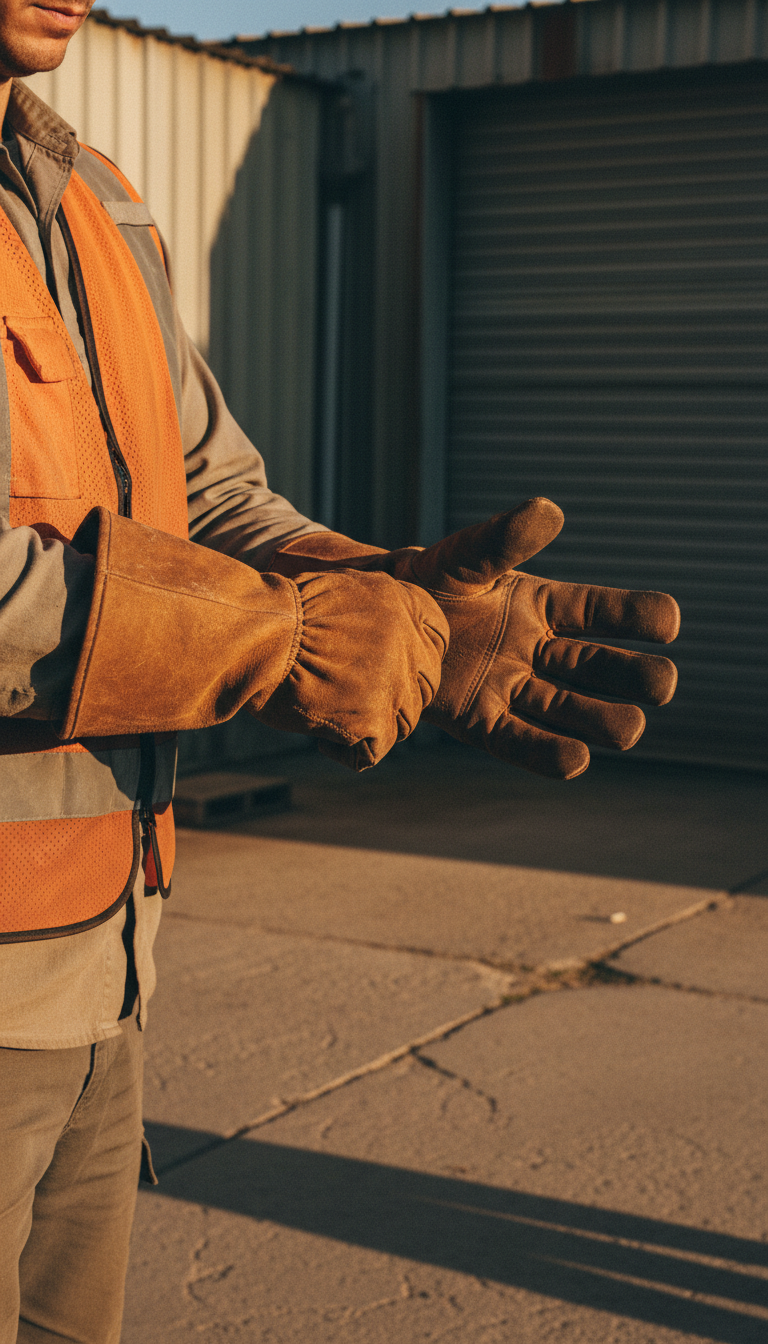
Transitioning from respiratory safety, hand protection requires a similarly nuanced approach to risk assessment. A single pair of leather work gloves is rarely sufficient for the diverse tasks on a Scottsdale job site or an Arizona ranch. Selecting the correct essential job site safety gear contractors farmers need for their hands involves matching the glove material and rating to the specific mechanical or chemical threat.
Glove Type | Primary Hazard | Professional Application |
|---|---|---|
Cut-Resistant | Sharp edges, blades | Metal fabrication, framing, glass handling (ANSI A1-A9) |
Impact-Rated | Crushing, vibration | Heavy demolition, livestock handling, power tool operation |
Chemical-Resistant | Corrosives, toxins | Pesticide application, concrete work, solvent use |
Cut resistance is measured by ANSI levels ranging from A1 to A9. For light framing or general maintenance, an A2 or A3 provides sufficient protection without sacrificing the dexterity needed for fasteners. However, for metal fabrication or handling jagged scrap, an A5 rating or higher is necessary to prevent deep lacerations. For those managing livestock or performing heavy demolition, impact-rated gloves feature thermoplastic rubber (TPR) on the knuckles and fingers to disperse energy from sudden strikes.
In the 100 degree heat of a Scottsdale summer, breathability is a critical safety feature. Solid leather or heavy rubber often leads to "swamp hand," a condition where moisture buildup causes skin irritation and makes the glove slip. Modern industrial gloves solve this by utilizing moisture wicking synthetic backs to allow heat to escape while maintaining high-tensile protection on the palm. Furthermore, securing a precision fit eliminates the common excuse that gloves make a worker clumsy. When gear is sized correctly, it improves grip and reduces hand fatigue, transforming the glove from a hindrance into a functional tool. Harrison Hunter provides direct industrial tool supply to ensure your crew has access to sized, task specific protection that stands up to the desert environment.
The Arizona Factor: Heat and UV Protection
In Scottsdale and throughout the Southwest, the primary threat to worker longevity isn't always mechanical; it is the sun. Managing heat stress and UV exposure is a technical requirement for any operation. High-visibility requirements should not force crews into heavy, non-breathable vests. Instead, transition to Class 2 or Class 3 high-vis shirts engineered from advanced moisture-wicking synthetic fibers. These garments pull sweat away from the skin to facilitate evaporative cooling while maintaining compliance with ANSI/ISEA 107 standards.
For those working in open fields or on exposed concrete slabs, wide-brim hard hat attachments provide critical 360-degree shade for the neck and ears. This equipment effectively reduces skin surface temperature and prevents the fatigue associated with constant heat exposure. Eyewear choice is equally vital. Standard lenses are insufficient under Arizona’s glare; professional tinted safety glasses must offer 99.9 percent UV protection to prevent long-term retinal damage and the squinting that leads to reduced peripheral awareness.
Providing direct industrial tool supply focused on heat mitigation ensures that your essential job site safety gear contractors farmers rely on is actually utilized. When gear keeps a worker cool, compliance becomes a natural part of the workflow rather than a physical burden, directly boosting overall site productivity.
Footwear and Body Protection: From Trenches to Troughs
Protection extends down to the ground, where the choice of footwear determines both immediate safety and long-term joint health. While steel toes are the baseline, selecting the essential job site safety gear contractors farmers require involves looking for specific ASTM F2413 ratings. On a construction site, a puncture-resistant (PR) midsole is a necessity to protect against discarded fasteners and sharp debris. For those in agricultural settings, footwear must often serve as a chemical barrier. Waterproof PVC or high-grade rubber boots with reinforced shanks are required to resist the corrosive effects of fertilizers, manure, and standing water in irrigation trenches.
Sourcing footwear through a direct industrial tool supply ensures a higher standard of durability than consumer-grade alternatives. Retail boots often prioritize aesthetic comfort over structural integrity; in contrast, industrial-grade boots utilize full-grain leathers and Goodyear welt construction. These methods prevent the sole from delaminating when exposed to the abrasive desert floor or high-heat concrete slabs typical of Scottsdale summers.
### Ergonomic Protection for Career Longevity
Maintaining a decades-long career requires protecting the musculoskeletal system from repetitive stress. Knee pads and back supports are fundamental tools for physical sustainability rather than optional luxuries.
Knee Protection: Essential for irrigation repairs, flooring, or machinery maintenance. Gel-injected pads with non-marring caps protect the patella from hard surfaces and prevent chronic bursitis.
Back Supports: Crucial for heavy lifting and livestock handling. Professional-grade supports provide lumbar stability and encourage proper lifting mechanics, reducing the risk of debilitating strain during high-output shifts.
By prioritizing these technical body protections, professionals ensure their most valuable tool, their own body, remains functional for the long haul.
Sourcing and Maintenance: How to Manage Your Safety Inventory
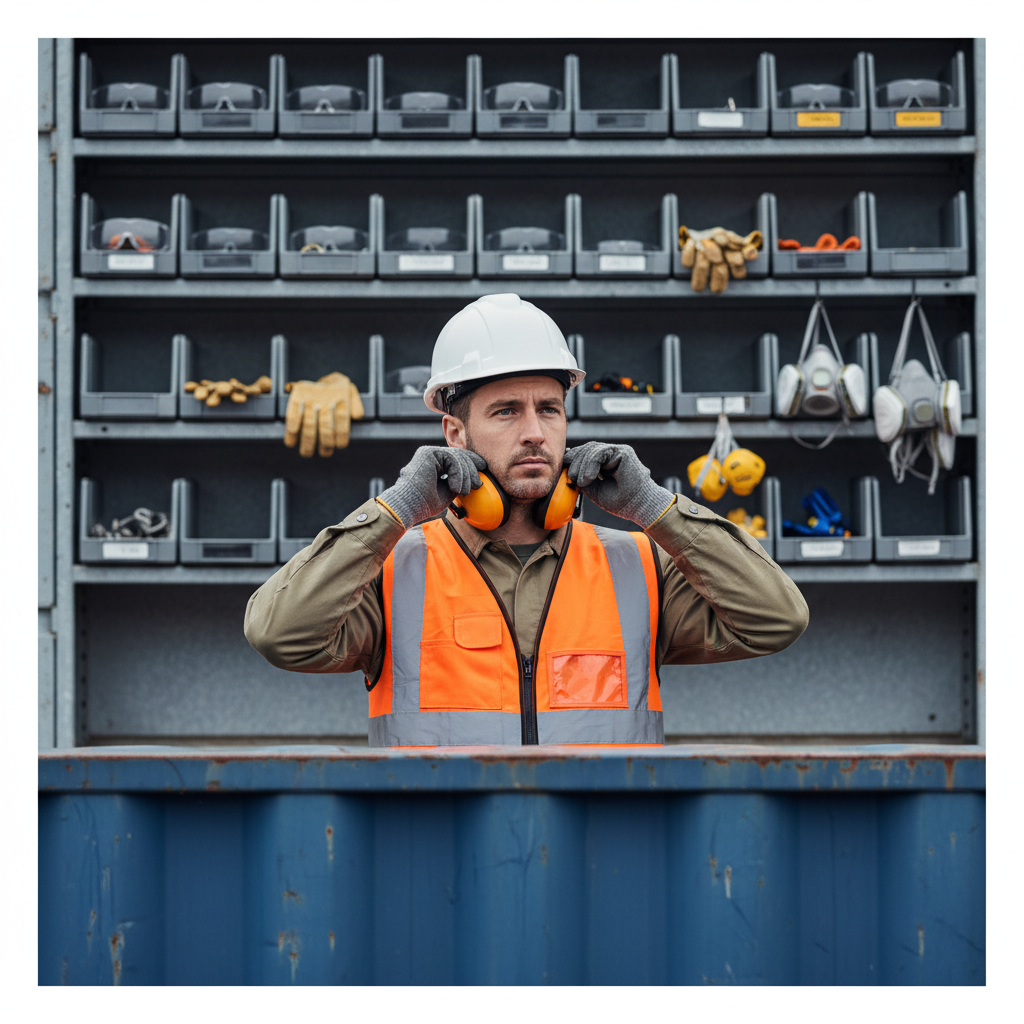
Maintaining a rigorous inspection schedule ensures that essential job site safety gear contractors farmers depend on remains functional when needed. Hard hats are a primary concern; check the manufacture date code molded into the underside of the brim. Most shells should be decommissioned five years from that date, or immediately if the plastic appears chalky from Arizona sun exposure. Inspect glove seams for blowouts and check respirator valves for debris buildup that could prevent a proper seal.
Equipping new hires requires a standardized approach to avoid protection gaps. A Rookie Starter Kit provides the baseline for seasonal hands and apprentices:
Item | Specification |
|---|---|
Hard Hat | Type I, Class E or G |
Safety Glasses | ANSI Z87.1 (Anti-fog) |
Hearing Protection | NRR 30+ (Disposable or Muffs) |
Work Gloves | Task-specific (ANSI A2+ recommended) |
High-Vis Gear | Class 2 Breathable Vest or Shirt |
Procuring these kits through a direct industrial tool supply removes the middleman markup, allowing for more efficient bulk inventory management. This financial shift means businesses can afford to replace worn gear proactively rather than waiting for a failure. To learn more about our mission, evaluate your current supply chain. If you need assistance building a custom safety package for your crew, contact our team for expert recommendations on professional-grade equipment.
Selecting the right safety gear is a fundamental part of protecting your team and ensuring every project runs smoothly. While these essentials provide a strong foundation, every job site comes with its own unique challenges and requirements. If you want expert help finding specific industrial supplies tailored to your operations, our team is ready to assist. You can learn more about our approach to see how we support contractors and farmers with high quality equipment and professional guidance.