
OSHA 2026 safety updates contractors farmers must implement include stricter heat stress regulations, expanded PPE fit standards, and new electronic recordkeeping requirements. These changes focus on enhancing worker safety through competency-based training and the integration of digital reporting tools on modern jobsites. Prioritizing these updates before the year ends helps businesses maintain compliance while addressing risks associated with workplace automation and advanced equipment.
Staying ahead of OSHA regulations often feels like a full-time job that contractors and farmers simply do not have the hours to manage. Between shifting PPE standards and the looming 2026 enforcement deadlines, a single compliance oversight can result in heavy fines or project delays. For Arizona businesses operating in extreme conditions, the stakes are even higher. Understanding these transitions now is the only way to protect your crew and your bottom line. In this guide, we break down the critical updates regarding PPE fit for diverse body types and the long-awaited federal heat injury prevention rule. You will also learn about the ANSI ISEA 105 2024 glove labeling changes and new electronic recordkeeping mandates. Finally, we provide a practical strategy for sourcing compliant gear directly; this allows you to bypass unnecessary distributor markups and secure your job site for the coming year.
The 2026 Safety Landscape: Why Early Compliance Matters for Arizona Businesses
As 2025 draws to a close, Arizona industrial operations face a significant shift in regulatory oversight. OSHA is moving away from broad, one-size-fits-all mandates toward highly specific, individualized safety standards that prioritize worker-level precision. For contractors in the Phoenix metro area and farmers throughout the valley, these OSHA 2026 safety updates contractors farmers must navigate are particularly urgent due to our local climate and industrial density.
Operating out of Scottsdale, Harrison Hunter Industrial Supply sees how the combination of extreme desert heat and high-intensity labor requires more than just baseline compliance. The 2026 landscape introduces stricter requirements for PPE fit, updated ANSI/ISEA 105-2024 glove standards, and comprehensive heat injury prevention protocols that change how we manage outdoor job sites and indoor warehouses alike.
The final quarter of the year is the critical window for performing inventory audits and aligning budget cycles with these new requirements. Waiting until January to source professional-grade safety supplies or essential safety gear for contractors often leads to procurement delays and avoidable fines. Evaluating your current stock of fall protection, respirators, and cooling gear now ensures your operation is audit-ready before the new standards take full effect. Proactive compliance is the most effective way to protect both your workforce and your bottom line as the enforcement window narrows.
New PPE Fit Requirements: Ensuring Safety for Every Body Type
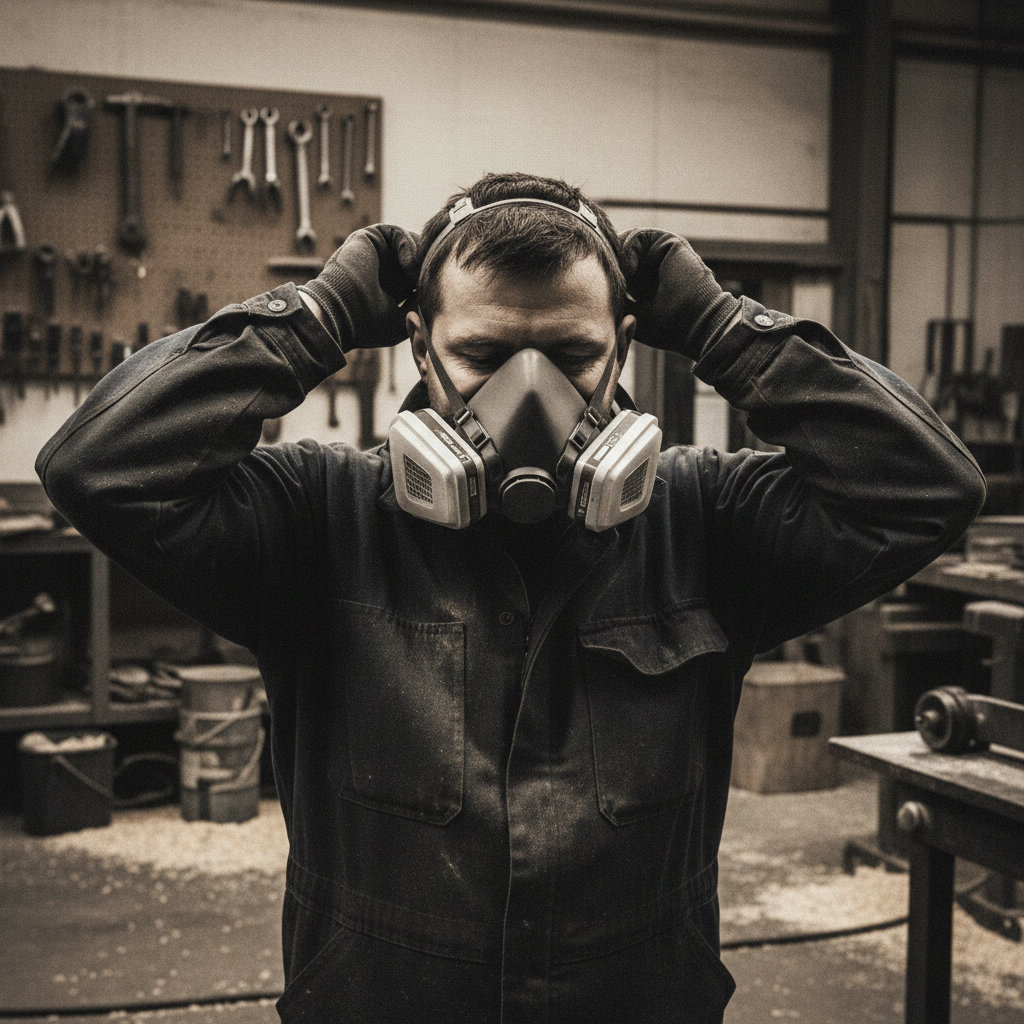
The revision to OSHA 1926.95(c) marks the definitive end of the "one size fits all" era in industrial safety. For years, many operations relied on bulk orders of standard sized equipment to cover their entire workforce; however, the 2026 mandates require that PPE must properly fit each employee based on their individual body type and size. This change is especially relevant for Phoenix area contractors managing diverse crews and Arizona farmers utilizing seasonal labor. When gear does not fit correctly, it is no longer just a comfort issue; it is a regulatory violation.
Improperly sized equipment creates immediate physical hazards that OSHA inspectors are now trained to identify. For instance, loose-fitting gloves can easily get caught in moving machinery or power tools, leading to severe entanglement injuries. Similarly, oversized respirators fail to create a proper seal against the face, leaving workers exposed to silica dust, spray chemicals, or agricultural particulates. In the context of the OSHA 2026 safety updates contractors farmers must implement, these discrepancies are now treated as primary points of failure during inspections. Ensuring your team has access to professional-grade safety supplies that include a full range of sizes, from XS to 4XL, is now a legal necessity rather than an optional perk.
To prepare for the January enforcement, industrial operations should conduct a comprehensive "Fit Audit" during their Q4 inventory review. This process involves more than just counting boxes; it requires verifying that your current inventory matches the physical requirements of your specific workforce. Use the following criteria to evaluate your readiness:
Identify employees who are currently "making do" with ill-fitting gear or modified equipment.
Catalog the specific sizes required for high-risk items, particularly fall protection harnesses and cut-resistant gloves.
Source essential safety gear for contractors that offers adjustable features or specialized sizing for smaller or larger frames.
By documenting these audits and updating your procurement strategy now, you demonstrate a proactive approach toward compliance. If you are unsure which specialized sizes are required for your specific trade, contact Harrison Hunter to review your crew’s needs and secure the correct inventory at direct pricing before the year ends.
Navigating the Federal Heat Injury and Illness Prevention Rule

Arizona operations have long managed extreme temperatures, but the upcoming federal rule transforms common sense practices into rigid, enforceable mandates. The Federal Heat Injury and Illness Prevention Rule, expected to be in full force by 2026, centers on two specific Heat Index thresholds. The Initial Trigger occurs at 80°F, requiring employers to provide cool drinking water and accessible break areas. Once the High Heat Trigger of 90°F is met, OSHA mandates additional protections, including 15 minute rest breaks every two hours and active monitoring for signs of heat stress.
For contractors on Phoenix job sites and farmers in the valley, the differentiation between indoor and outdoor environments is critical. Outdoor sites must provide shade or air conditioned enclosures for all workers during breaks. Conversely, indoor environments like warehouses or agricultural processing facilities must focus on localized cooling and adequate ventilation to mitigate stagnant, hot air. For both settings, the OSHA 2026 safety updates contractors farmers must follow require a written acclimatization plan. This plan ensures new or returning employees are not exposed to full workloads in high heat until their bodies have adjusted over a period of 7 to 14 days.
Compliance requires more than just water jugs; it demands a strategic upgrade in professional-grade safety supplies. Standard heavy polyester high-visibility vests can trap heat against the body, increasing core temperatures. Procurement should focus on moisture-wicking apparel that meets ANSI/ISEA 107 standards, which provides the necessary visibility while allowing for rapid evaporation. Additionally, specialized cooling gear like evaporative neck wraps and cooling vests can be integrated into daily kits. Ensuring your crew has access to essential safety gear for contractors that balances protection with thermal regulation is the most effective way to maintain productivity while meeting these new federal requirements. Planning these equipment upgrades during the Q4 budget cycle allows you to secure bulk pricing and avoid the rush as temperatures rise next season.
Glove Labeling and Cut Protection: The ANSI ISEA 105 2024 Update
Integrating these cooling strategies into your daily operations is only half the battle; manual labor also requires adhering to updated hand protection standards. The ANSI/ISEA 105-2024 update introduces more rigorous testing and clearer labeling requirements for cut, abrasion, and puncture resistance. This technical shift ensures that the professional-grade safety supplies you purchase provide the specific protection levels promised on the tag, eliminating guesswork on the job site.
Understanding the distinction between protection levels is vital for risk mitigation. For example, the difference between Level A2 and Level A4 cut resistance is significant. A Level A2 glove is designed for light to medium duty tasks like general material handling or assembly. For contractors involved in metal fabrication, steel framing, or HVAC ductwork, Level A4 is the necessary standard to prevent serious lacerations from sharp edges. These distinctions are central to the OSHA 2026 safety updates contractors farmers must navigate to avoid non-compliance during site inspections.
Protection Level | Grams of Force (Cut) | Recommended Application |
|---|---|---|
ANSI A2 | 500 to 999 | General construction, warehouse, light assembly |
ANSI A4 | 1,500 to 2,199 | Metal fabrication, framing, glass handling |
ANSI Puncture 3+ | Varies | Fencing, wire handling, machinery maintenance |
For Arizona farmers, the update offers better clarity on puncture resistance, which is critical when handling barbed wire or performing maintenance on heavy machinery. Transitioning to these updated standards can often lead to a 20 to 40 percent price hike through traditional retailers. Harrison Hunter Industrial Supply provides essential safety gear for contractors and farmers at direct pricing, removing the middleman markup. If you are unsure which ANSI levels match your specific risks, contact Harrison Hunter to review the technical specifications of the 2024-compliant inventory.
Electronic Recordkeeping and Incident Reporting Changes
Transitioning into 2026, compliance involves more than just physical equipment; it requires a digital shift in how incidents are reported. OSHA has expanded its electronic recordkeeping requirements to include detailed data from Form 300 and Form 301. For Scottsdale area operations, this primarily impacts businesses in NAICS codes 23 (Construction) and 111 or 115 (Agriculture and Support Activities) with 100 or more employees. These entities must now submit granular injury and illness data digitally, which OSHA intends to publish on its public website. This transparency means your safety record is no longer private; it is a public reflection of your operational standards.
To remain audit-ready by January 2026, move away from manual spreadsheets. Implementing digital tools to track the issuance of professional-grade safety supplies and the completion of annual competency verifications ensures your data is accurate and retrievable during an inspection. These logs should prove that every employee received essential safety gear for contractors and the specific training required for its use.
Documenting the distribution of specialized gear, such as ANSI A4 gloves or heat-mitigating apparel, creates a clear chain of compliance. This is a vital component of the OSHA 2026 safety updates contractors farmers must manage to protect their reputation and avoid costly fines. If you need assistance identifying which PPE items require documented training for your 2026 records, contact Harrison Hunter to review your specific site requirements and equipment lifecycle before the January reporting window opens.
Smart Procurement: Sourcing 2026 Compliant Gear Without Distributor Markups

The financial burden of meeting the OSHA 2026 safety updates contractors farmers face is significant, especially when purchasing through traditional retail channels. Typical industrial distributors apply markups ranging from 15 to 40 percent to cover their own overhead and logistics. For a small farming operation or a mid-sized construction crew, these margins quickly deplete safety budgets. By bypassing the traditional middleman, Harrison Hunter Industrial Supply provides a direct-to-pro model that eliminates these unnecessary costs. This approach allows businesses to invest in high-quality, compliant gear without sacrificing their profit margins.
Q4 represents the strategic window to secure your 2026 inventory. Utilizing year-end budget cycles to bulk order updated fall protection harnesses, respirators, and high-performance abrasives ensures your team is equipped before January enforcement begins. Small to mid-sized operations often find themselves overlooked by big-box industrial giants that reserve their best pricing for tier-one corporations. We flip that script by offering distributor pricing regardless of company size. This accessibility ensures that a Scottsdale framing contractor or a valley produce farmer has the same competitive advantage as a national firm.
Standardizing your tool crib with professional-grade safety supplies now prevents the last-minute price spikes that often occur when new regulations take effect. Focus your year-end procurement on items with the highest compliance risk, such as ANSI/ISEA 105-2024 rated gloves and updated fall arrest systems. If you are ready to audit your current equipment needs and secure essential safety gear for contractors at direct prices, contact Harrison Hunter to review our current inventory and volume options. Protecting your crew should not depend on your ability to pay a distributor's markup.
Navigating the upcoming 2026 OSHA updates requires careful planning; however, early preparation will safeguard your team and keep your operations running smoothly. Staying compliant is not just about following rules; it is about building a safer culture for every contractor and farmer. If you want expert help selecting the right industrial supplies or navigating these new safety requirements, you can learn more about our mission and experience. We are here to assist you in making your workplace as safe and efficient as possible.